Troubleshooting Tree Tapping: Why Your Sap Isn't Flowing
Is your maple syrup not flowing? Learn how temperature, tree health, tapping mistakes, and equipment issues can affect sap flow—and how to fix them.
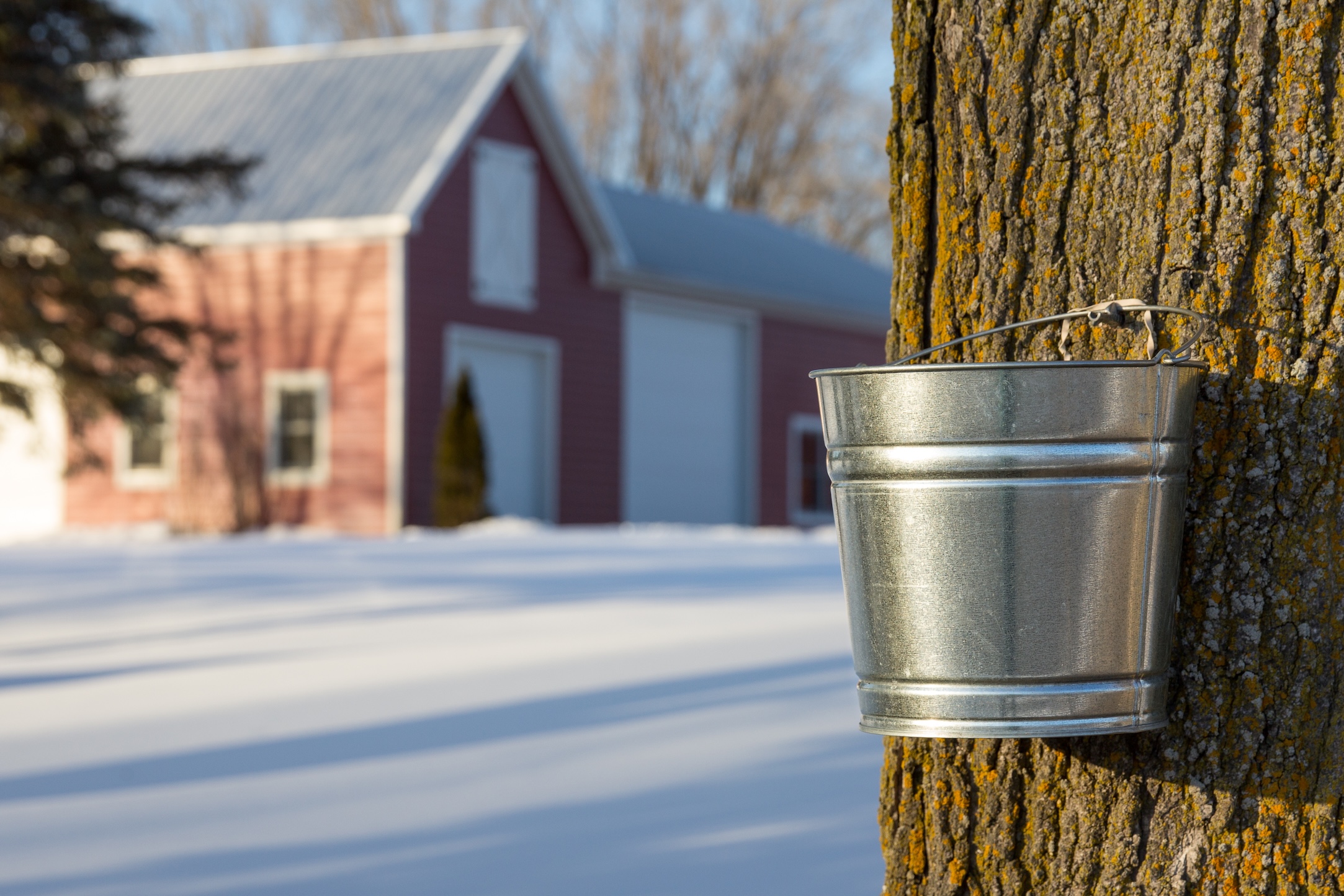
If your maple syrup’s not flowing, don’t worry. You’re not the only one. Many backyard tappers and seasoned sugarmakers face this issue at some point during the season. Sap that won’t run can cut your yield and slow down your syrup-making plans. The good news? Most causes are easy to identify once you know what to look for. It doesn’t matter what the issue is (i.e., weather, tree health, or how the tap was drilled). Fleet Farm is here with trusted gear and advice, as well as the proper know-how, so you can get the most out of every tap.
Understanding the Science of Sap Flow
Before you begin adjusting taps or replacing equipment, it’s essential to know how sap flow works. Sap movement depends on a mix of weather, tree biology, and time of year. When the conditions line up correctly, sap flows without any issue. When they don’t, it might slow down or stop entirely.
In 2024, the U.S. saw an average of 0.342 gallons of syrup per tap, the second-highest yield in 25 years. That’s a big jump from 2002’s 0.208, proof that knowing what affects sap flow actually pays off.
Furthermore, under ideal conditions, a single tap hole can yield 40 to 80 gallons of sap per season, though most producers see 5 to 15 gallons per tap. In fact, it takes about 40 gallons of sap to make one gallon of finished maple syrup, which shows why steady sap flow is essential.
The Role of Temperature: The Freeze-Thaw Cycle
One of the biggest reasons for sap not running is temperature. Sap moves through a tree because of internal pressure changes. At night, when temperatures drop below freezing, the tree pulls water up from the roots. During the day, when it warms to above freezing, ideally around 40 to 45°F, that pressure releases, and sap flows out through the tap.
This freeze-thaw pattern is key. If nights stay too warm or days are too cold, sap won’t move. You may have everything set up correctly and still see dry taps. The best range for flow is daytime highs of 40-45°F and nighttime lows of 23-18°F. A few warm days in a row might pause the flow, but it generally picks back up once the freeze-thaw cycle returns.
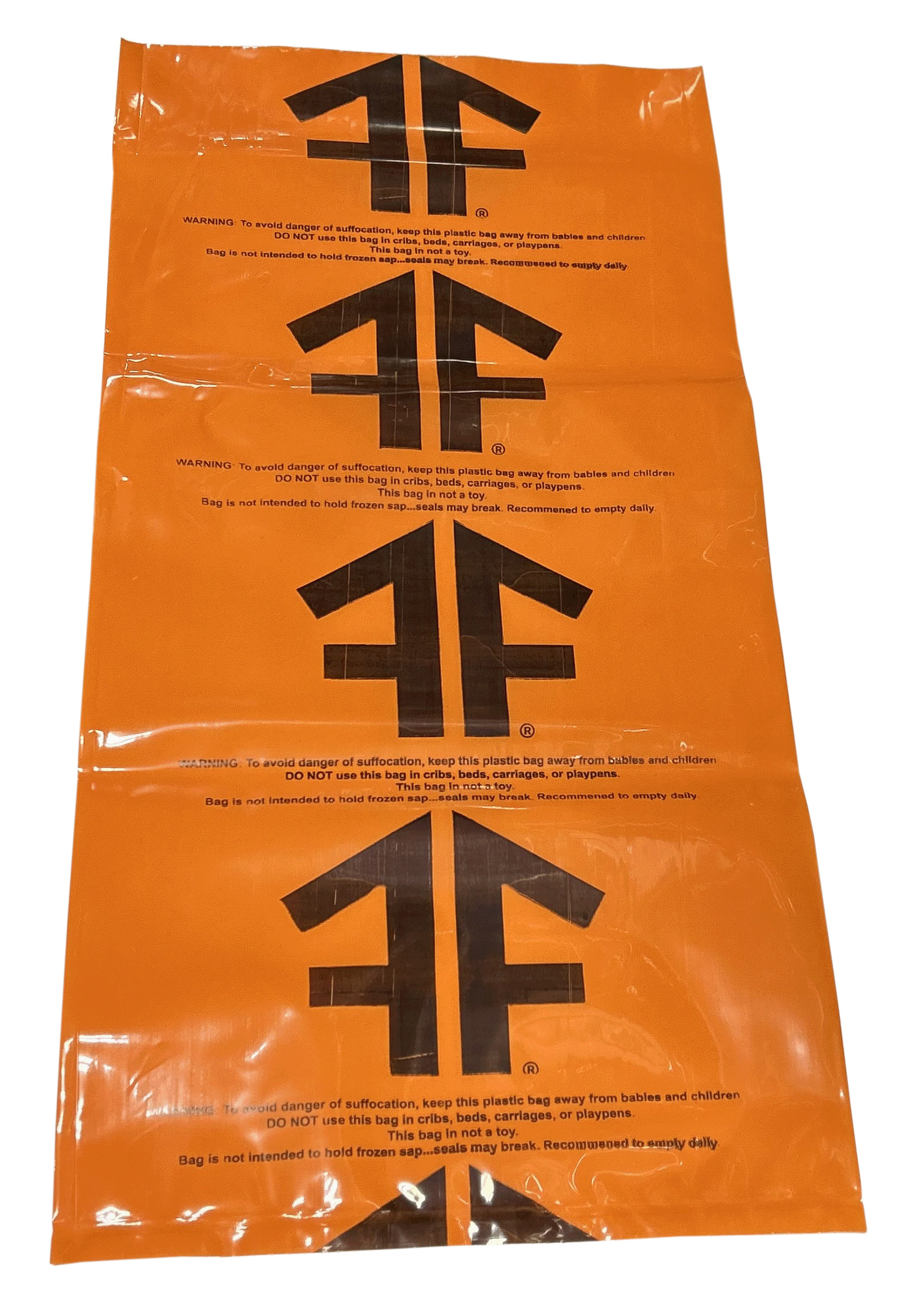
Product Spotlight: CDL FF Orange Sap Bags - 12 Pack
Why Tree Species and Health Matter
Not all maples are equal when it comes to syrup. Sugar maples give the best results, offering higher sugar content and more consistent flow. Red and Silver Maples can work, but they tend to produce less sap and might start and stop more easily depending on the weather.
Tree health is vital as well. A tree that went through drought, pest damage, or storm stress the previous year might not produce much sap during the season. Older trees can slow down, too. If your maple has fewer healthy limbs, brittle bark, or lots of scar tissue around past tap holes, it may be nearing the end of its tapping life.
Common Tapping Errors and How to Fix Them
Sometimes, the reason for slow sap flow isn’t the tree or the weather. It’s how the tap was placed. Even small mistakes in depth, timing, or placement can impact results. If you’re seeing tree tapping problems, it’s worth reviewing the basics to ensure everything is set up correctly.
Depth and Angle: Getting the Drill Hole Right
Drilling too shallow might not reach the active sapwood, and going too deep can hit heartwood, which doesn’t carry sap. The sweet spot is about 2 inches deep, including bark. On very large trees, bark can be up to 1½ inches thick, so drill accordingly.
The angle is critical, too. Always drill at a slight upward angle. This lets gravity help the sap flow out of the tree and into your bucket or line. If the hole is angled downward or completely flat, sap can pool inside and slow the flow, or stop it completely.
Use a clean, sharp drill bit every time. A dull bit can tear wood fibers, making the tree heal the wound faster and sealing off the tap. Fleet Farm carries Maple Tapping Drill Bits and Tapping Kits that are made for the job and easy to use year after year.
Tap Setup Guide
Correct Tap
- Drill Depth: ~2 inches into sapwood
- Drill Angle: Slightly upward
- Bit Sharpness: Sharp
- Sap Yield Impact: Strong flow, tap stays open longer
Too Shallow
- Drill Depth: <1 1/2 inches (in bark)
- Drill Angle: Any
- Bit Sharpness: Any
- Sap Yield Impact: May not reach sapwood; little or no flow
Too Deep
- Drill Depth: >2 1/2 inches (into heartwood)
- Drill Angle: Any
- Bit Sharpness: Any
- Sap Yield Impact: Reduced flow; can damage the tree
Flat Angle
- Drill Depth: Correct depth
- Drill Angle: Flat or downward
- Bit Sharpness: Any
- Sap Yield Impact: Sap may pool in hole; slow or no flow
Dull Bit
- Drill Depth: Correct depth/angle
- Drill Angle: Correct
- Bit Sharpness: Dull
- Sap Yield Impact: Torn fibers seal faster; short tap life
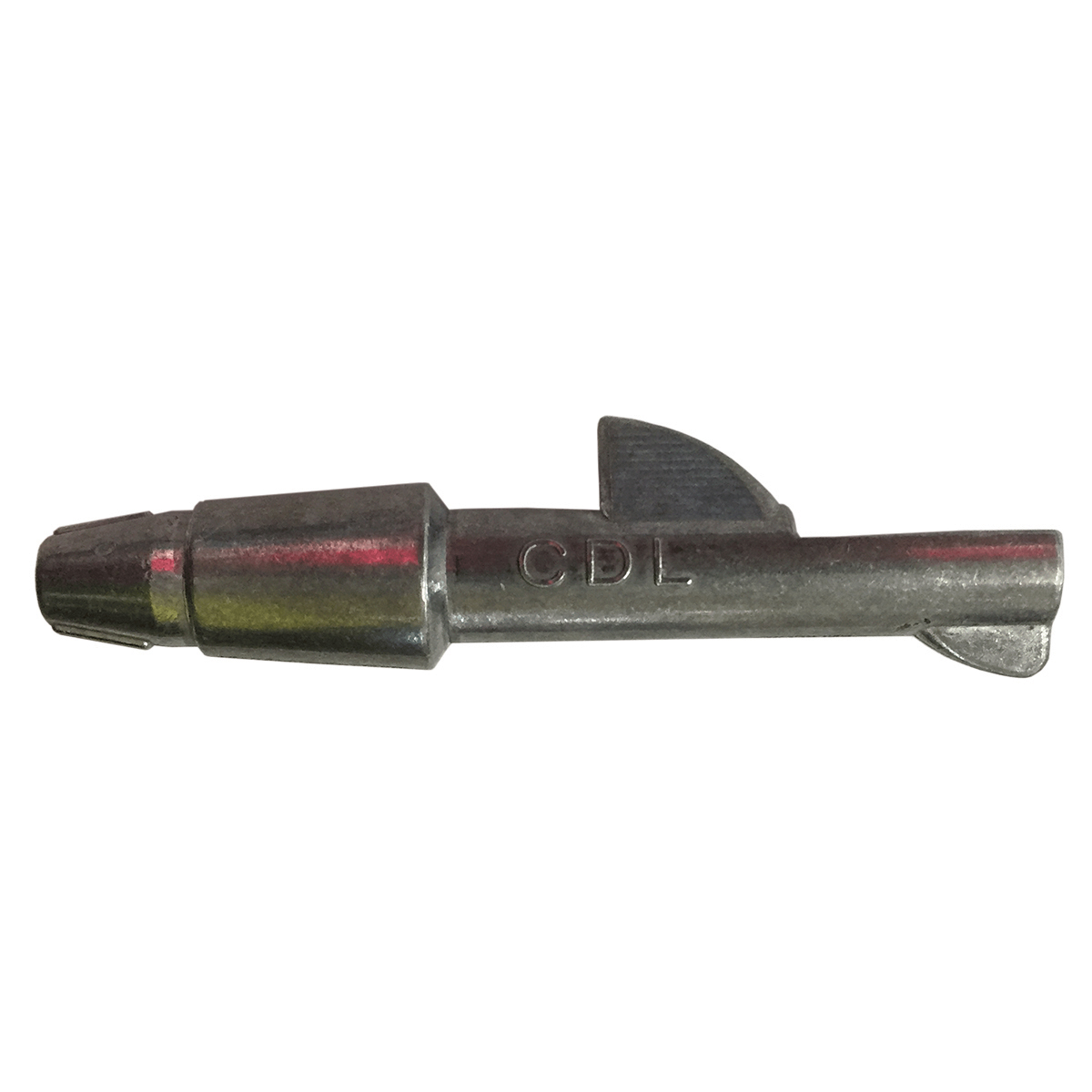
Product Spotlight: CDL 7/16 Inch Hookless Aluminum Sap Spouts - 6pk
Timing Your Tap: Too Early or Too Late?
Tapping at the wrong time can limit how much sap you collect. If you tap too early, the hole might start to dry out before the big sap run begins. This can reduce how long the tree produces. If you tap too late, you risk hitting the “budding out” stage. Sap collected after buds start to swell can taste bitter and isn’t suitable for syrup.
Keep an eye on local weather as well. Once daytime temperatures begin to rise above freezing and nighttime temperatures drop below, it’s typically time to tap. In warmer zones, this could happen in late February. In colder areas, early to mid-March may be better.
Related Article: How & When to Start a Garden: A Beginner's Guide for a Thriving Season Starting a garden and tapping trees both depend on timing and weather. Learn how to make the most of early spring by choosing the right moment to plant—and tap.
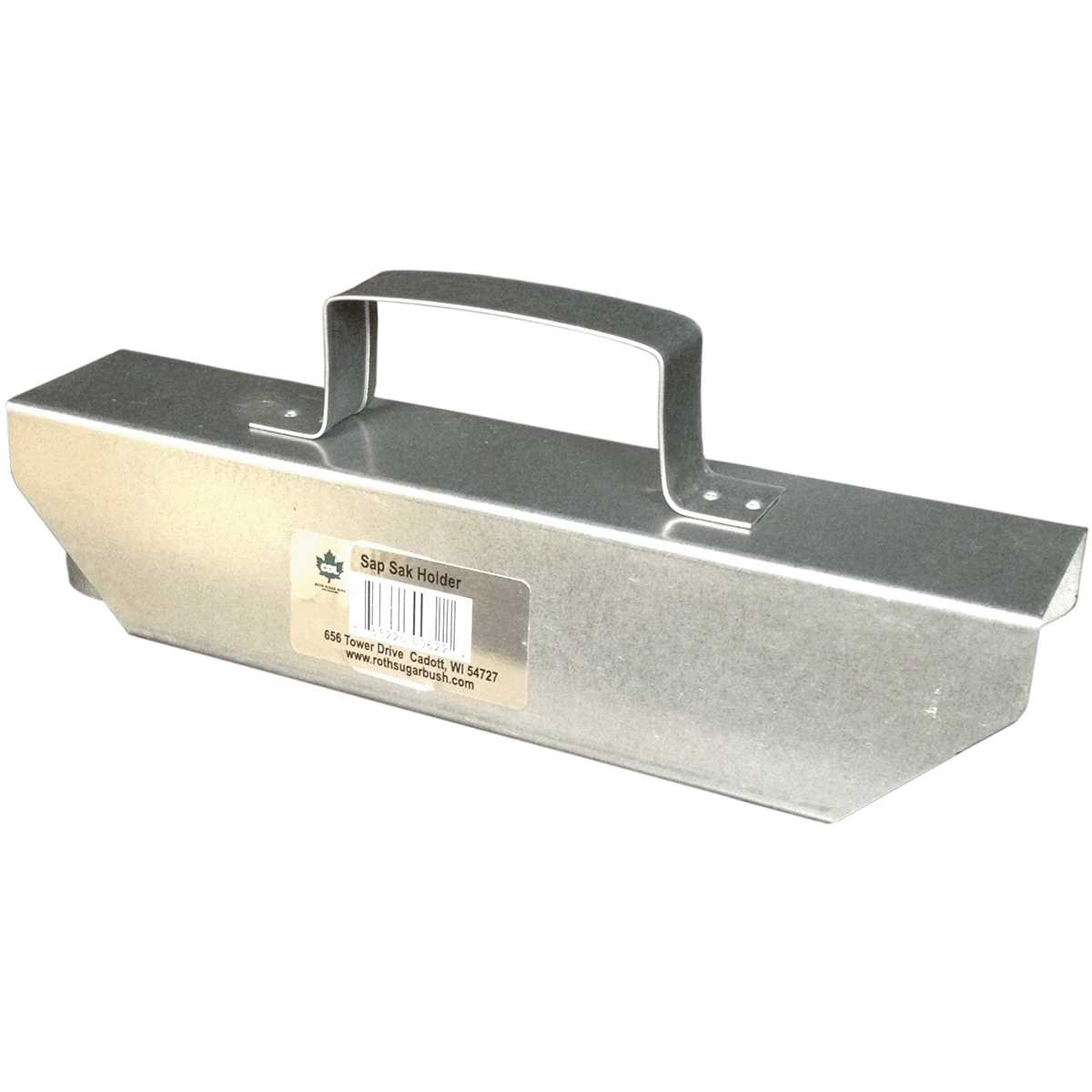
Product Spotlight: CDL Sap Sak Holder
Over-Tapping and Tree Stress
Too many taps can weaken a tree and reduce sap flow over time. The number of taps depends on trunk size, measured in diameter at breast height (DBH).
Follow these conservative guidelines:
- 10-18” DBH: 1 tap
- 18-25” DBH: 2 taps
- 25” + DBH: 3 taps max (never more)
Spacing is crucial, too. Always place new taps at least 6 inches away from old scars and 2 feet above or below previous holes. Drilling too close to old spots can reduce flow or damage the tree further.
If a tree looks weak (i.e., thin bark, lots of dead limbs, or very little sap despite ideal weather), it’s a good idea to skip tapping it that year. Giving trees a break can lead to better sap production in future seasons.
Equipment Issues Affecting Your Yield
Even when the trees and weather cooperate, sap flow can still slow down. Sometimes, the issue is in the equipment (i.e., spiles, tubing, or buckets). If one tree suddenly stops producing or the flow across your setup seems lower than anticipated, take a closer look at your gear.
Clogged Spiles and Bacterial Growth
Spiles can clog fast, particularly during a warm spell. As temperatures rise, bacteria might grow inside the tap hole. This can trigger the tree to start healing early and seal the opening from the inside.
Cloudy sap or sticky buildup around the spile are common signs. If the flow suddenly drops, remove the spile and check for blockage. Clean it out with hot water and reinsert it if the hole still looks clean. If the hole has dried up, it might be best to leave it and choose another spot next season.
Keeping spiles clean from the start can reduce these problems as well. Make sure to sanitize them before use and avoid touching the tip when inserting them into the tree.
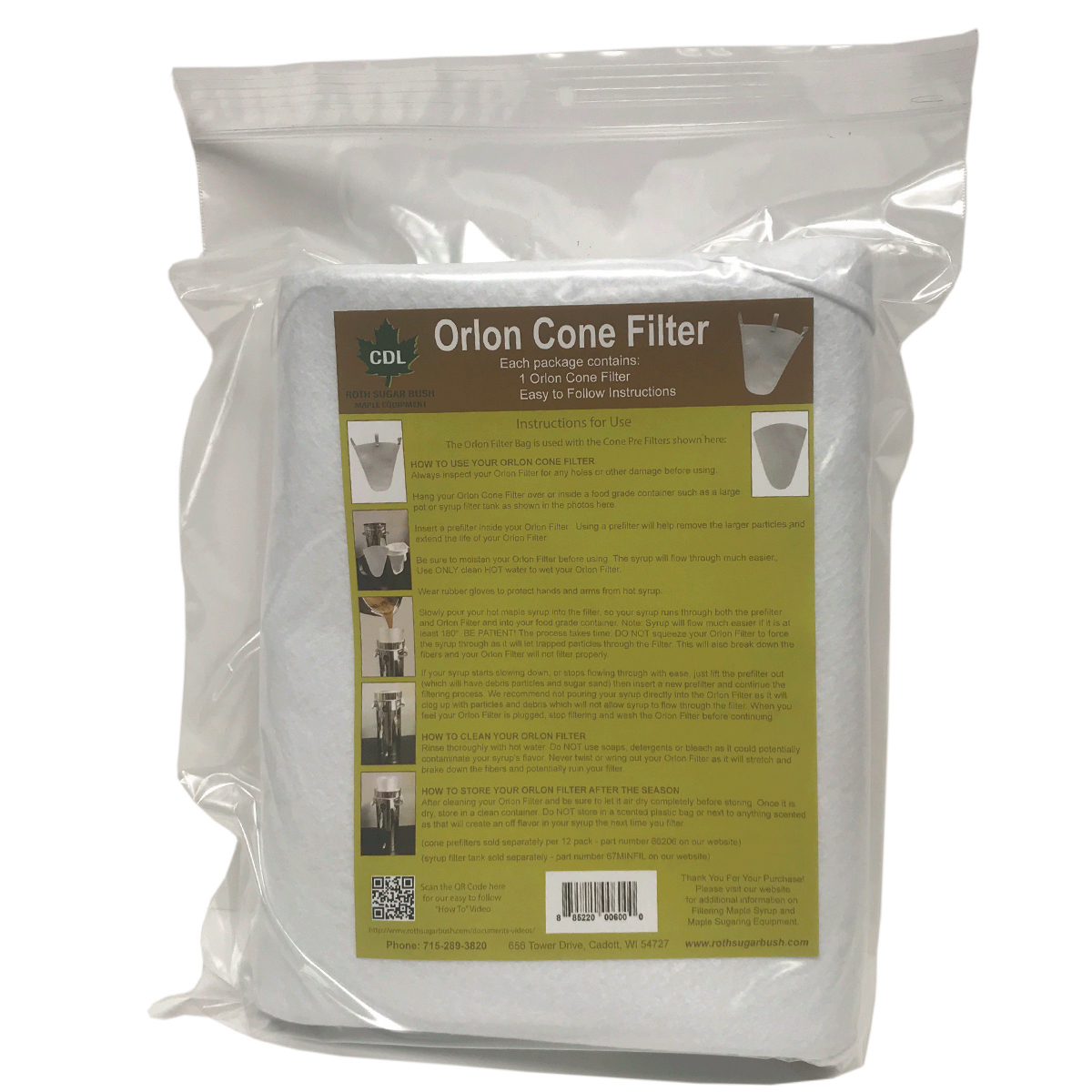
Product Spotlight: CDL Maple Syrup Orlon Filter Bag
Vacuum Leaks in Tubing Systems
For larger setups that use vacuum systems, even a small air leak can stop the sap from moving. A crack in the tubing, a loose connection, or a hole caused by wildlife can break the seal and lower pressure across the entire line.
Walk the lines often. Check for sagging, chewing marks, or selections where tubing has pulled away from a fitting. For gravity-fed systems, leaks may be easier to spot and make sure to watch for dripping. However, in vacuum systems, pressure loss can occur without any visible signs, so it’s worth checking all the fittings and end caps.
When troubleshooting, isolate each section of tubing and test one line at a time if needed. The sooner you find the gap, the faster the sap will begin flowing again.
Cleanliness: The Secret to Consistent Flow
Clean equipment runs better, plain and simple. Dirty buckets, moldy tubing, or spiles with old sap residue can cause clogs and shorten the tapping season.
Begin each season by washing everything with hot water and a food-safe sanitizer. If you’re collecting sap over several weeks, rinse equipment during any warm breaks to prevent buildup.
At the end of the season, store everything in a cool, dry place. Let gear dry completely before packing it away to keep mold from forming between seasons. Taking a little time now can save you trouble next year.
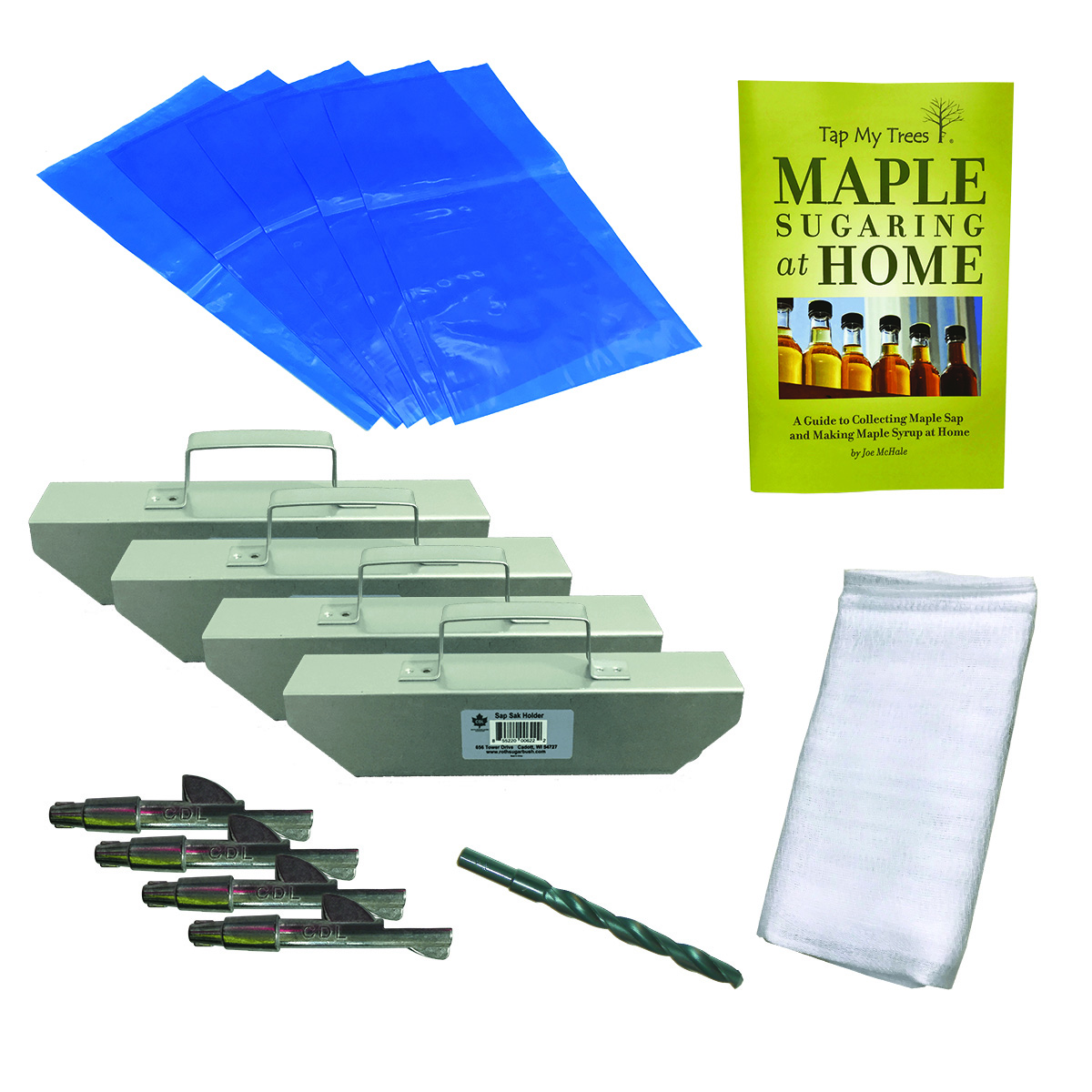
Product Spotlight: CDL 4 Tap Beginners Bag Holder Kit
Environmental Factors You Can’t Control (But Can Prepare For)
Some things are simply out of your control. Weather shifts, changing air pressure, and sun exposure all play a part in how well your trees produce. While you can’t change these factors, you can plan around them and make minor adjustments to get better results from each tap.
Related Article: Understanding Planting Zones: Your Guide to Growing Success in Every Season Weather and temperature shifts affect more than just sap flow. Learn how planting zones can guide your timing for tapping, planting, and more throughout the year.
Barometric Pressure and Sunlight Exposure
Changes in air pressure can impact sap movement inside the tree. On days when the pressure drops, sap might slow down even if temperatures are ideal. While you can’t control the weather, knowing this can explain sudden changes in flow.
Sunlight exposure matters as well. Trees on the south-facing side of a slope typically warm up earlier in the day and might begin flowing sooner. Tapping the sunny side of a tree can boost sap flow by taking advantage of natural warmth.
If you have trees in both shaded and sunny areas, track how each performs. That way, you can focus your effort where the trees run best.
The Impact of Late Winter Storms
Heavy snow and ice can delay sap flow by insulating the base of the tree, keeping it from warming up. If snow piles up around the trunk, it can slow the freeze-thaw effect that drives sap movement.
Storms can also knock down tubing, damage buckets, or create blockages with fallen branches. After any winter storm, check your setup for broken lines or tipped containers. Clear away deep snow at the base of the tree if it’s still frozen while the weather is warming up.
In most instances, it’s best to wait out a storm rather than tap during active snowfall. Once conditions stabilize and temperatures return to the proper range, the sap generally begins flowing again.
Patience and Preparation for a Sweet Season
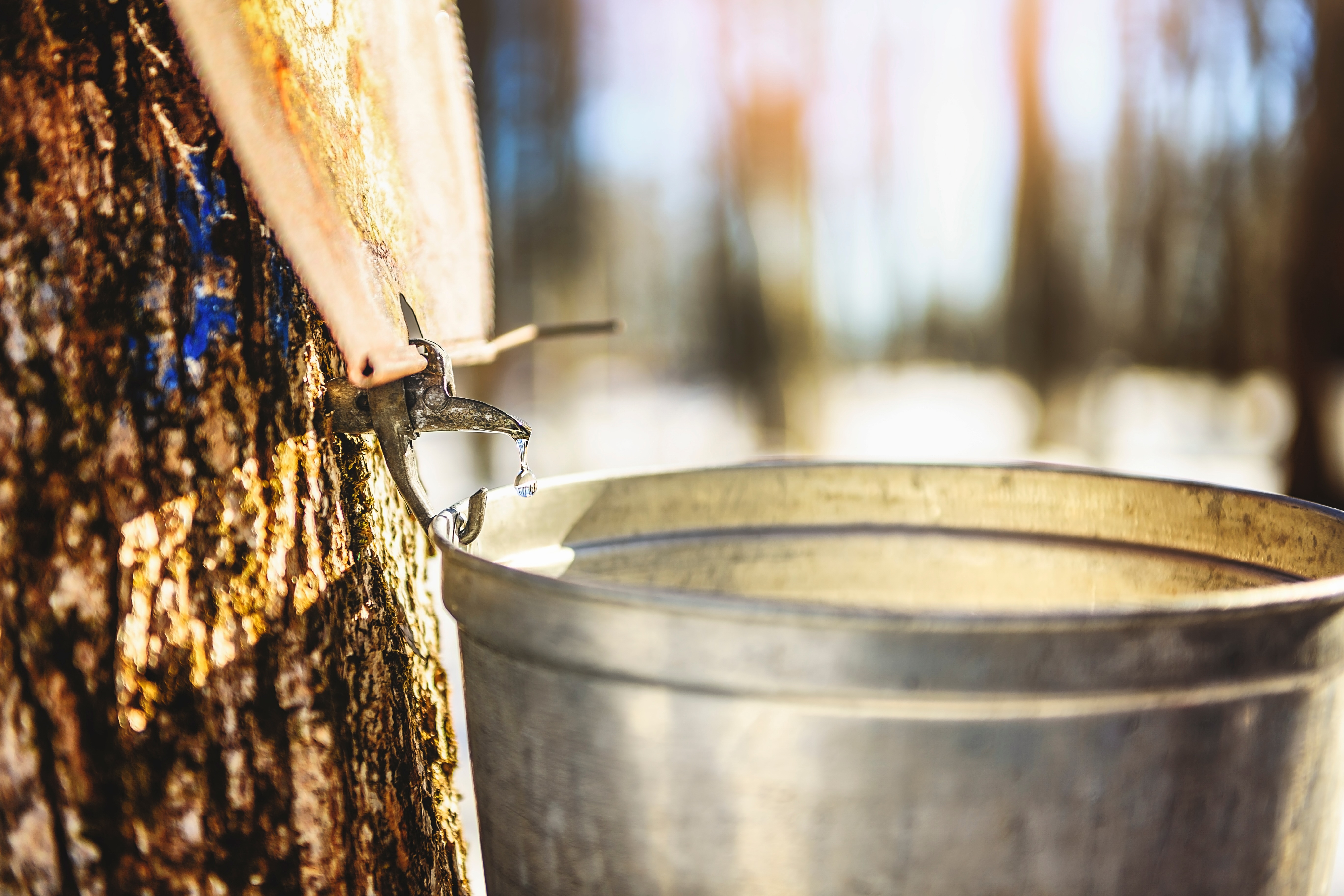
When the sap isn’t flowing, it can be frustrating. However, there’s usually an apparent reason behind it. Whatever the issue might be (i.e., weather or your tapping method), most flow problems can be fixed with a closer look and a few simple changes. Tapping trees is part science, part timing, and part patience. Stick with it, and the rewards will be worth it.
Key Takeaways:
- Sap flow depends heavily on freeze-thaw cycles, so watch the weather first.
- Tree species and health matter: Sugar Maples are best, and stressed trees may produce less.
- Tapping technique impacts yield; depth, angle, and timing all play a role.
- Clean, working equipment avoids slow flow or contamination.
- Some conditions, like storms or air pressure, are out of your control, but you can adjust around them.
Next Steps:
- Check your tapping depth, angle, and spile condition on all trees.
- Clean and sanitize all buckets, spiles, and tubing between runs.
- Track local temperatures to catch the proper freeze-thaw window.
- Walk your lines regularly to look for damage or leaks.
- Keep notes on each tree's performance to plan better next season.
Need tools, supplies, or tips for your maple syrup season? Visit Fleet Farm, your trusted partner for backyard sugaring and more.