Create a Midwest Pollinator Garden: Bees, Butterflies & Blooms
Discover how to attract bees and butterflies with native pollinator garden plants. Get simple butterfly garden ideas to build a beautiful, eco-friendly yard.
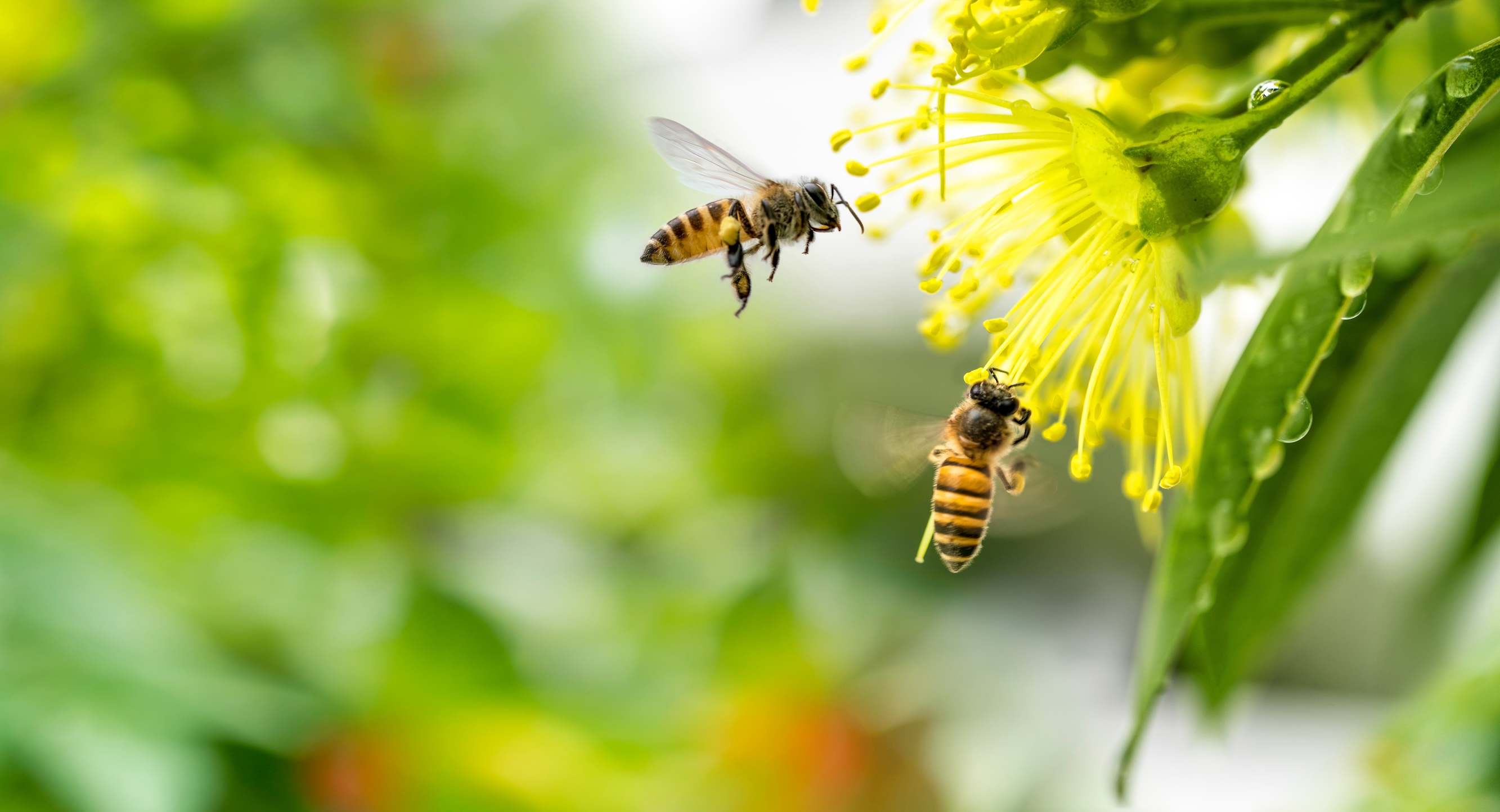
As the March thaw begins across the prairies and plains, it is the perfect moment to consider establishing pollinator garden plants to preserve the local ecosystem. These plans provide necessary resources for native species that keep our Midwest food systems flourishing. Transforming a corner of your yard into a sanctuary for bees and butterflies contributes to regional biodiversity and natural beauty. Your local Fleet Farm has the essential gear and supplies you’ll need to help your new garden thrive from the first sprout to the final frost.
Why Start a Pollinator Garden in the Midwest?
Establishing a native habitat offers excellent rewards for your yard and the local environment. These specialized landscapes support local ecosystems and give you a vibrant, low-maintenance outdoor space.
The Vital Role of Bees, Butterflies, and Other Pollinators
Pollinators are the backbone of Midwest agriculture and local nature. These insects move pollen between flowers, a process required for one out of every three bites of food we eat. Without them, many regional crops like apples, cherries, and berries could not produce fruit.
These creatures are essential, but many are in trouble. A study published in Science found that local butterfly populations have dropped by about 22% over the last twenty years. The Monarch butterfly is a clear example of this struggle; its numbers are often well below historical averages due to habitat loss and the disappearance of milkweed.
Learning how to attract bees and butterflies to your yard isn’t just a strategy to beautify your yard. You create a “habitat mosaic” that connects with other local green spaces. This network allows native species to travel, feed, and reproduce, which strengthens the entire Midwest ecosystem.
Benefits for Your Home Landscape and Local Ecosystem
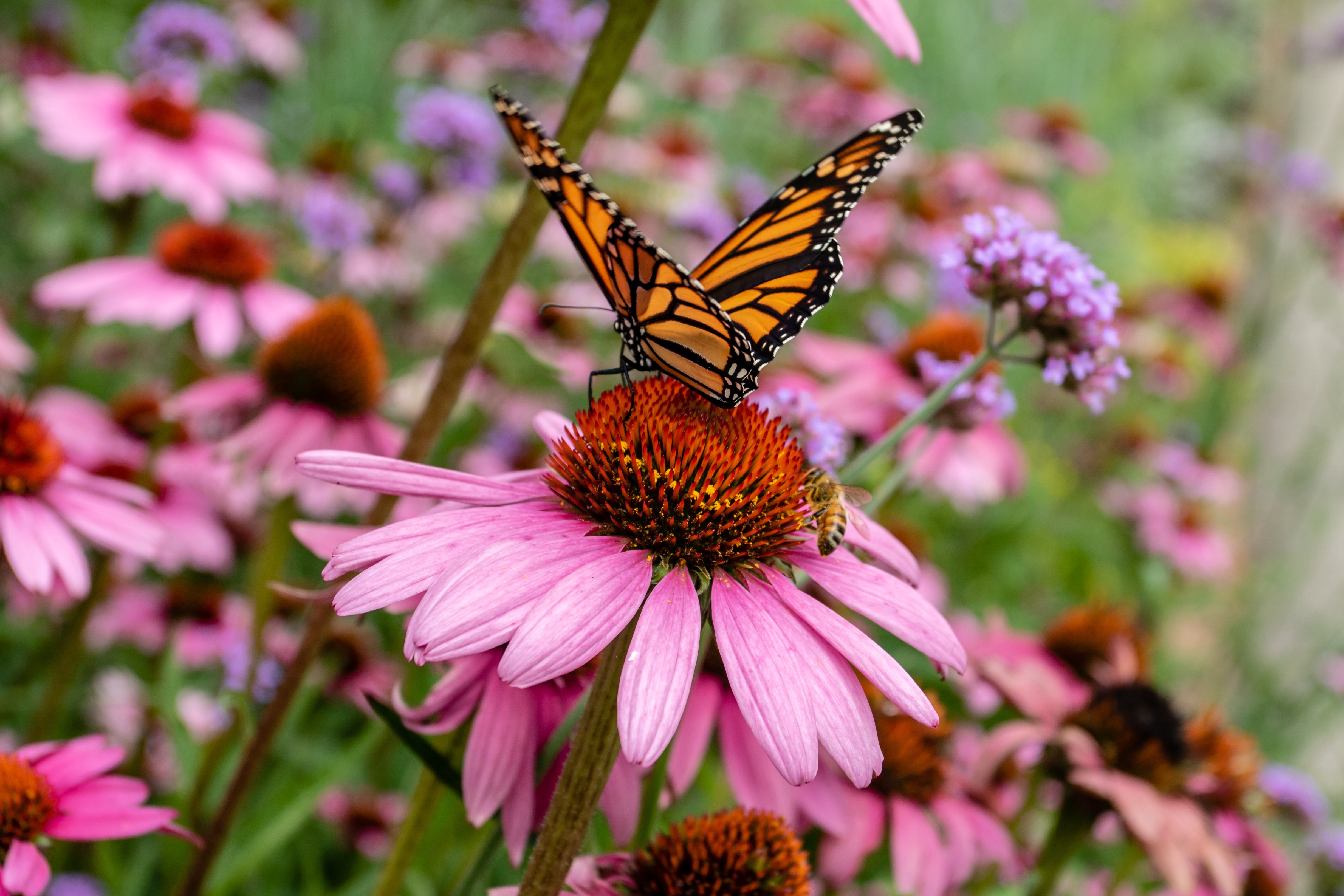
Native plants develop deep root systems that improve soil quality and manage rainwater runoff. These gardens naturally attract predatory insects that eat common garden pests, meaning less need for chemical sprays. Beyond the environmental perks, a pollinator-friendly yard creates a colorful, living space that changes with the seasons. Once established, these hardy Midwest species require less water and mowing, making your landscape beautiful and sustainable.
What is the 70/30 rule in gardening? It means planting 70% reliable, year-round plants and 30% showy or seasonal ones. This practice keeps your garden low-maintenance while adding visual interest.
Planning Your Garden
Careful planning ensures your plants will thrive in the unique Midwest climate. Focus on these core elements to build a strong foundation for your habitat.
Assessing Your Sun Exposure and Choosing a Location
Identifying the light levels in your yard helps your pollinator garden plants get the energy they need to bloom. Full sun locations receive at least six hours of direct sunlight each day. Partial shade areas typically get between two and six hours, with shade dominating the rest of the day. Placing your garden near a window allows you to enjoy watching birds and butterflies from the comfort of your home. To keep delicate wings safe, choose a spot sheltered from the strong Midwest winds that can toss smaller insects.
Understanding Midwest Soil
Midwest landscapes often feature heavy clay that feels slick or loamy soil that is soft and crumbly. Proper drainage in early spring can prevent root rot as snow melts and rain falls.
To check your soil, perform a simple “squeeze test” by tightly compressing a handful of earth in your palm. If the ball holds its shape but crumbles when poked, you have healthy loam. If it remains a solid, sticky lump, you likely have clay.
Product Spotlight: Rapitest Soil Test Kit
Top Pollinator Garden Plants for the Midwest
Choosing the best species of plant will ensure your garden thrives in local conditions. These hardy options provide reliable food and shelter for regional wildlife throughout the growing season.
Native Perennials
Native pollinator garden plans are naturally hardy because they evolved to handle the Midwest’s specific weather patterns and soil. Varieties like Milkweed, Coneflower, and Black-Eyed Susans are excellent for a long-lasting habitat.
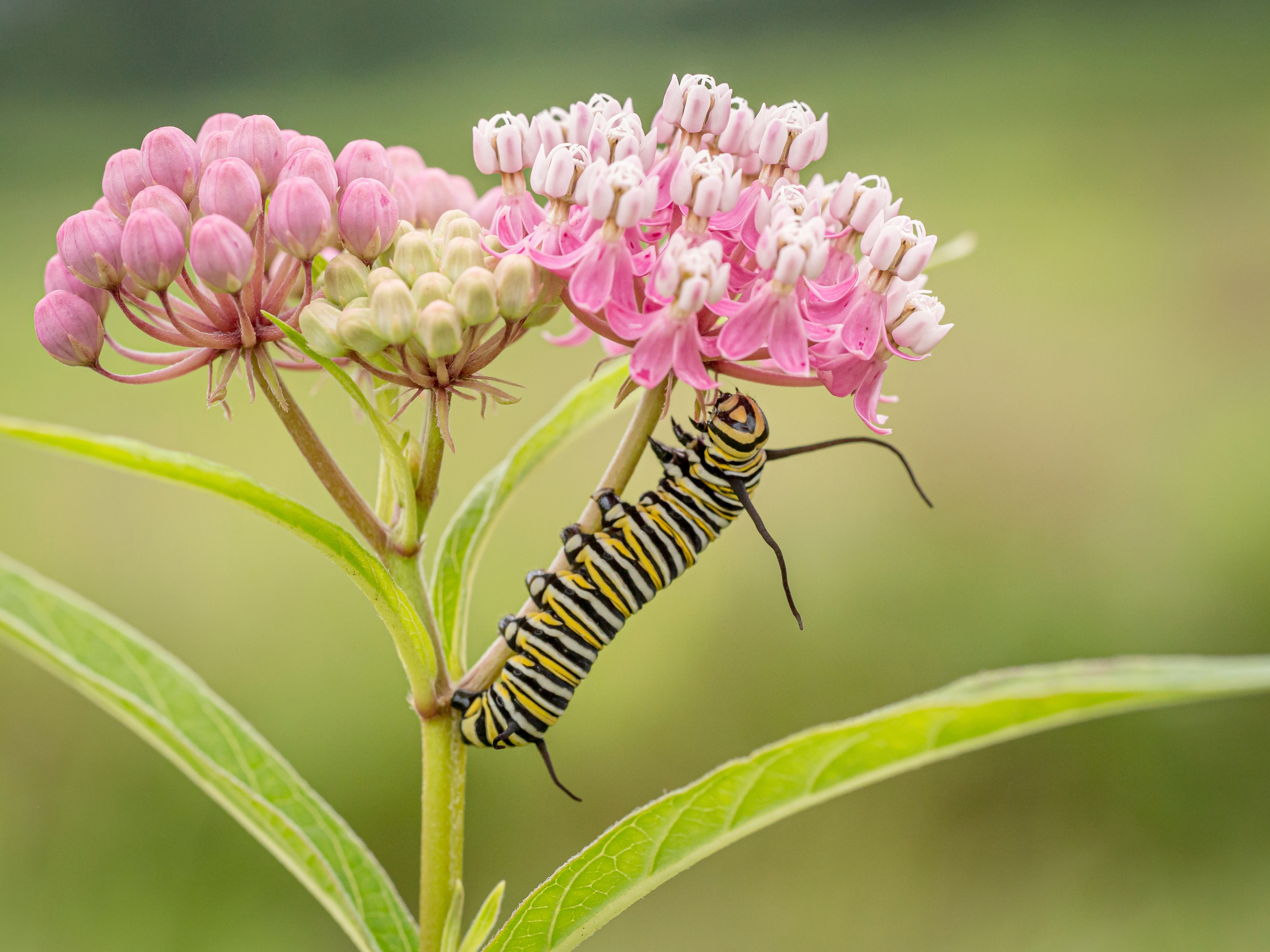
Milkweed is especially vital as it serves as the only food source for Monarch caterpillars. Because these plants are adapted to the region, they often require less maintenance once they take root.
Early Spring Blooms to Wake Up the Bees
March is the perfect time to plan for early-season nectar. As pollinators emerge from winter dormancy, they need immediate food sources to regain their energy. Planting early bloomers like the Purple Coneflower or Violets provides this critical early-season fuel. These first flowers of the year bridge the gap between the winter thaw and the lush growth of summer, so your local bees have the resources they need to start the season strong.
Summer Favorites for Monarchs and Swallowtails
July and August mark the peak activity period for Midwest pollinators. During these hot months,c heat-loving plants like Bee Balm and Butterfly Weed become the stars of the garden. Bright orange clusters of Butterfly Weed act as a beacon for Monarchs. Meanwhile, the spicy scent and shaggy purple blooms of Bee Balm draw in Swallowtails and hummingbirds. These plants’ rich nectar sources provide the high energy needed for insects to remain active during the height of the summer season.
Late-Season Nectar
Asters and Goldenrod provide critical fuel for the long Monarch migration. Keeping your garden blooming into October offers a final energy source before winter. These late-season plants serve a dual purpose. Once the flowers fade, their dried seed heads provide a natural food source for local birds throughout the colder months.
Can you plant a pollinator garden in the fall? Yes—fall is a great time to plant native pollinator perennials because the cooler weather helps roots establish before winter. Just be sure to get them in the ground at least six weeks before the first hard frost.
Design Ideas for a Beautiful Butterfly Garden
How you lay out your garden determines how you create a functional habitat. Focus on these visual and structural elements to build an effective space.
Layering Heights and Creating Shelter
One of the best butterfly garden ideas is arranging plants by their mature height. Place taller species, like Joe Pye Weed, at the back of the border. Then, place shorter flowers in the front. This way, every bloom is visible to you and the pollinators.
Grouping plants closely together creates natural windbreaks. These dense clusters shield butterflies from strong gusts and offer a safe place to rest. Using a variety of leaf textures and flower shapes mimics a natural meadow, which provides better protection and a more organic appearance.
Incorporating Host Plants for Caterpillars
Nectar plants provide food for adult butterflies, but host plants are necessary for the larvae. Milkweed is the only host plant for Monarch caterpillars. Seeing chewed leaves is a good sign; it means your garden is successfully raising the next generation of pollinators.
Durable Garden Tools for Midwest Ground
Digging in the Midwest often means contending with dense, heavy clay. To penetrate this tough ground, you need tools made from high-quality steel that won’t bend under pressure. Here are some essential tools:
- Spades and D-Handle Shovels: These provide the leverage needed to break new ground and slice through thick roots.
- Hand Trowels: These allow for precise planting and digging in smaller, confined spaces.
- Ergonomic Weeders: These specialized tools remove invasive plants while minimizing strain on your hands and wrists.
- Cultivators: These instruments keep the soil loose and free of unwanted growth throughout the season.
Product Spotlight: Fiskars Ergo Black/Orange Garden Tool Set - 3 Pc
Eco-Friendly Fertilizers and Soil Amendments
Using organic compost or “bee safe” fertilizers creates a healthy habitat for insects. If you have heavy clay, soil conditioners can help break up the earth to improve root growth. Fleet Farm offers various organic plant foods and soil amendments online and in-store to prepare your beds for spring.
Product Spotlight: Espoma Organic Flower-Tone Bloom Booster Garden Fertilizer
Efficient Watering Solutions for New Plants
Consistent moisture helps your new perennials establish their root systems. Using a reliable hose or a programmable timer keeps your garden hydrated even during dry spells. Fleet Farm has several watering options available to make hydrating your garden easier.
Product Spotlight: AG-LITE Rubber Water Hose
Beyond Plants: Creating a Pollinator Habitat
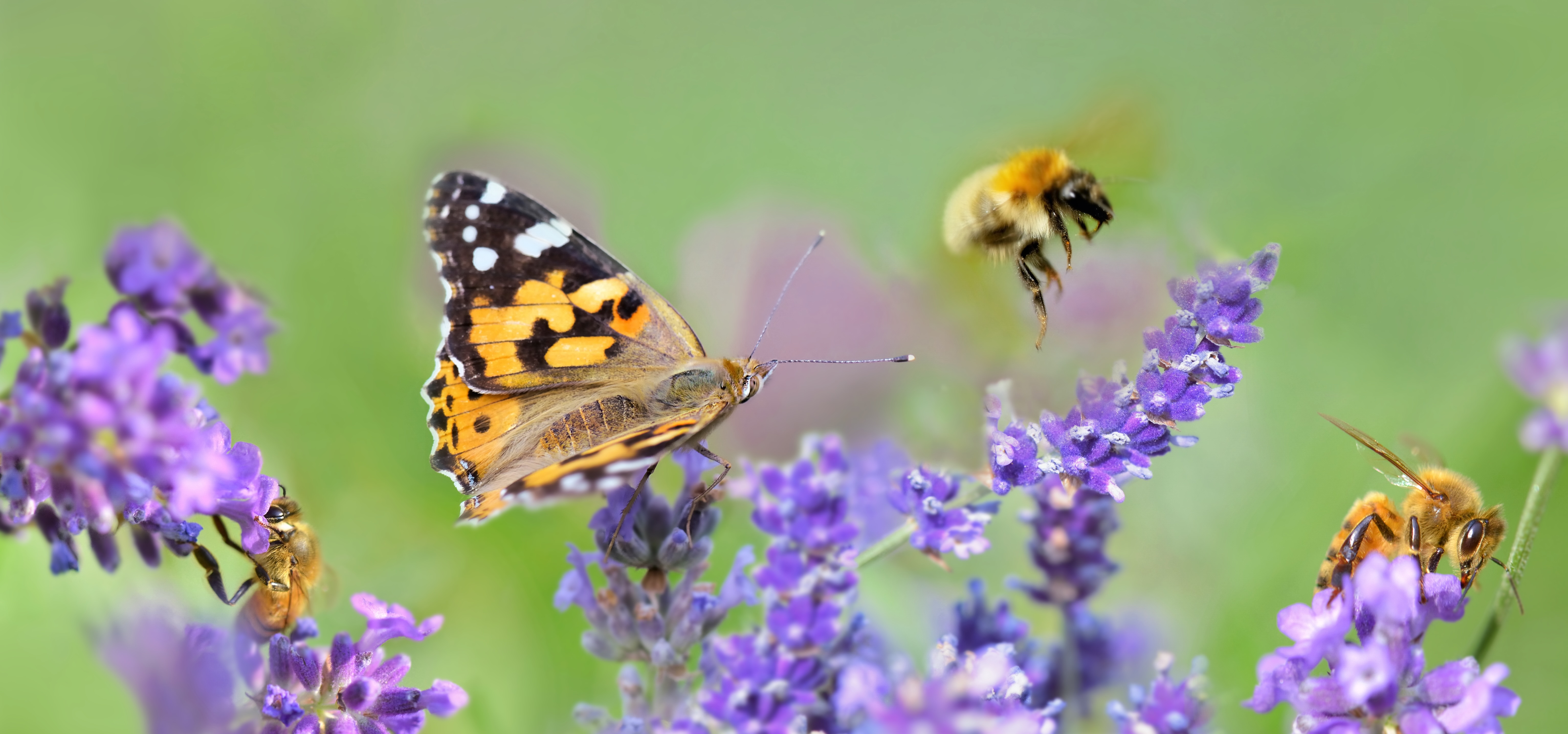
A true sanctuary offers more than just food to your pollinator visitors. Let’s discuss some structural elements that can help your pollinator garden truly flourish.
Water Sources and Insect Hotels
Pollinators need reliable water to stay hydrated. Consider creating a “puddling station” by filling a shallow dish with water and adding pebbles so bees have a dry place to land. Additionally, an insect hotel offers nesting sites for solitary bees that do not live in hives. These simple additions transform your simple flower beds into a complete home for local wildlife.
Why "Leaving the Leaves" Matters for Overwintering
Many Midwest pollinators spend the winter in your backyard. Species like queen bumblebees and various moths hide in leaf litter or inside hollow plant stems to survive freezing temperatures. Cleaning your garden too early in the spring or too thoroughly in the fall can accidentally remove these sleeping insects.
Try to leave debris until the ground temperature stays above 50 degrees consistently or, consider raking leaves to a corner or around trees to encourage queen bumblebees, some butterfly species, and other beneficial insects to have a space to survive the winter. Doing so protects the next generation of pollinators.
For more tips on managing your yard debris, check out our blog article: How to Compost Leaves in Fall for a Spring Garden.
Step-by-Step Guide to Planting Your Garden
If you want to convert your lawn into a habitat, you’ll need to lay careful groundwork. Below, we’ll provide some practical methods to give your new plants the best possible start.
Site Preparation and Planting Techniques
To clear turf without harsh chemicals, use the “smothering” method by covering the grass with cardboard or thick newspaper and a layer of soil. This kills the grass while enriching the earth beneath.
When you are ready to plant, dig holes twice as wide as the root ball but no deeper. Space native perennials roughly 12-18 inches apart to allow for their mature spread. In the Midwest, the best time to get your first plants in the ground is typically late May, once the threat of a hard frost has passed.
What is the best homemade bee attractant? A simple mix of sugar and water can attract bees, especially when sprayed near flowers. Just avoid placing it directly on blooms, as it may confuse pollinators or block access to real nectar.
Mulching for Moisture and Weed Control
Apply a two-inch layer of wood chips or clean straw to keep roots cool and maintain soil moisture. This barrier suppresses weeds while your native species establish themselves. Avoid piling mulch directly against plant stems, as this can trap moisture and cause rot.
Maintaining Your Oasis Through the Seasons
Consistent care preserves your habitat year-round. Use these seasonal strategies to promote growth and protect your garden during the harsh winter months.
Spring Cleanup and Summer Maintenance
Wait until spring temperatures consistently reach 50 degrees before clearing old debris. Doing so protects insects still nesting in leaf litter. During summer, deadhead spent flowers to encourage new blooms and pull weeds regularly to ensure native plants have space to expand.
Preparing Your Garden for a Midwest Winter
Keep dried seed heads intact through winter to provide a natural food source for birds. If your garden sits near a road or driveway, use physical barriers to shield plants from heavy snow piles and salt spray. Before the ground freezes, clean your tools and store them in a dry place to prevent rust.
Growing a Greener Future with Fleet Farm
Starting a pollinator garden transforms your backyard into a functional part of the Midwest ecosystem. Fleet Farm is your partner in this project with our wide offering of supplies and expertise to help you cultivate a thriving, sustainable outdoor space for seasons to come.
Key Takeaways:
- Native plants like Milkweed and Coneflower are essential for regional biodiversity.
- Pollinator habitats improve soil quality and offer natural pest control.
- Avoiding early spring cleanup protects overwintering bees and butterflies.
- Consistent water and proper tool selection are vital for garden success.
Next Steps:
- Test your soil pH to determine which amendments you need.
- Select a sunny, wind-sheltered spot in your yard for planting.
- Visit a local Fleet Farm to browse seasonal live plants and bulbs.
- Install a water station or insect hotel to complete your habitat.
Shop the full selection of lawn and garden essentials at Fleet Farm to find everything you need to start your Midwest pollinator oasis.