Ice Fishing: Gadgets and Tools to Improve Your Catch
Stay warm ice fishing while boosting comfort and catch rates. Discover the best shelters, sleds, electronics, augers, and safety gear available at Fleet Farm.
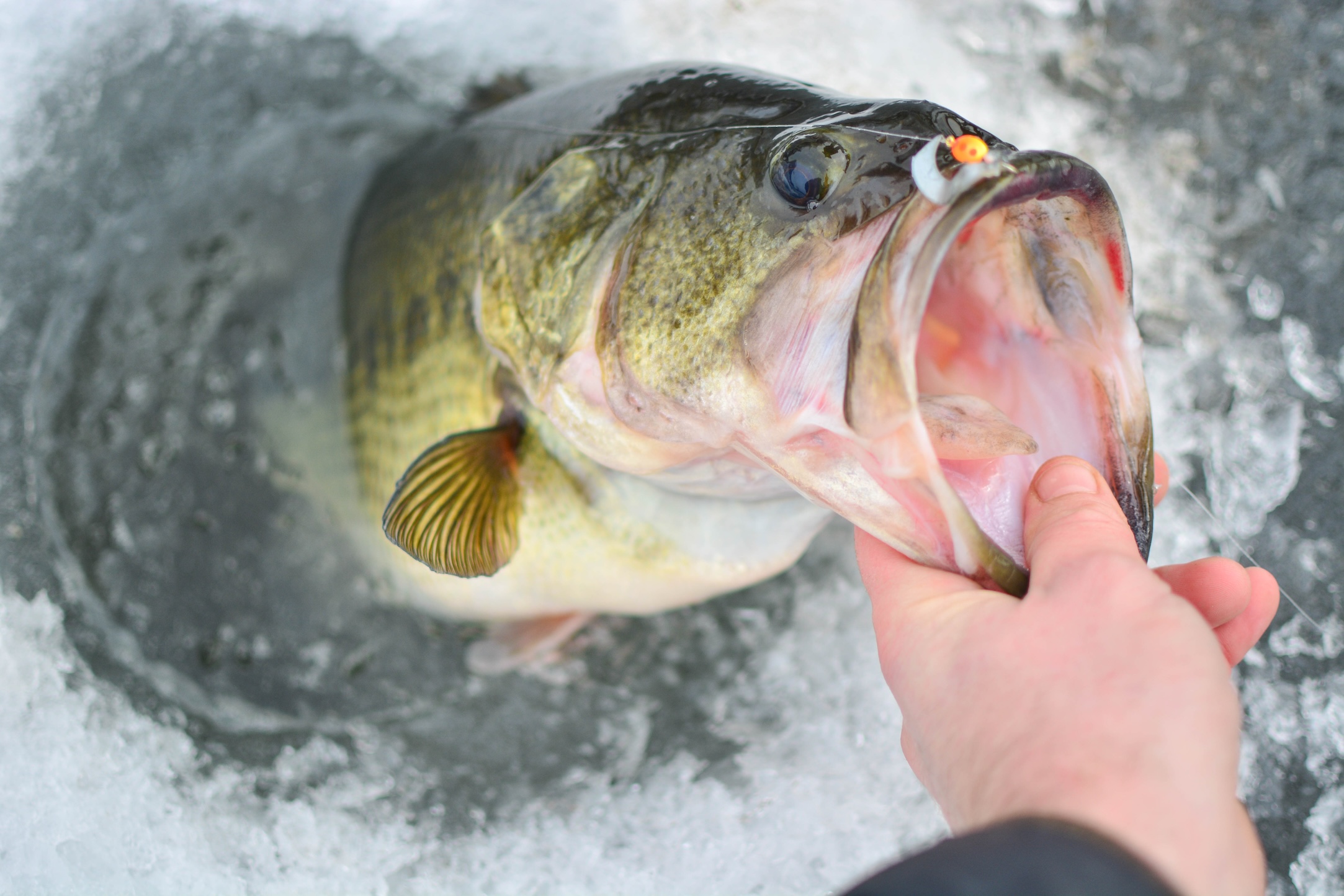
Knowing how to stay warm when ice fishing begins with wearing the proper gear. Ice fishing is an accessible winter sport that brings family and friends together on frozen lakes across the Midwest. Are you planning to head out for the first time or build up your setup? Regardless, comfort and safety go hand in hand with success on the ice.
Our beginner-friendly guide breaks down the essential gadgets, such as ice fishing shelters and electronics, that make your time on the ice more enjoyable and productive. From staying mobile to spotting fish, here’s what to look for.
Shelter & Mobility
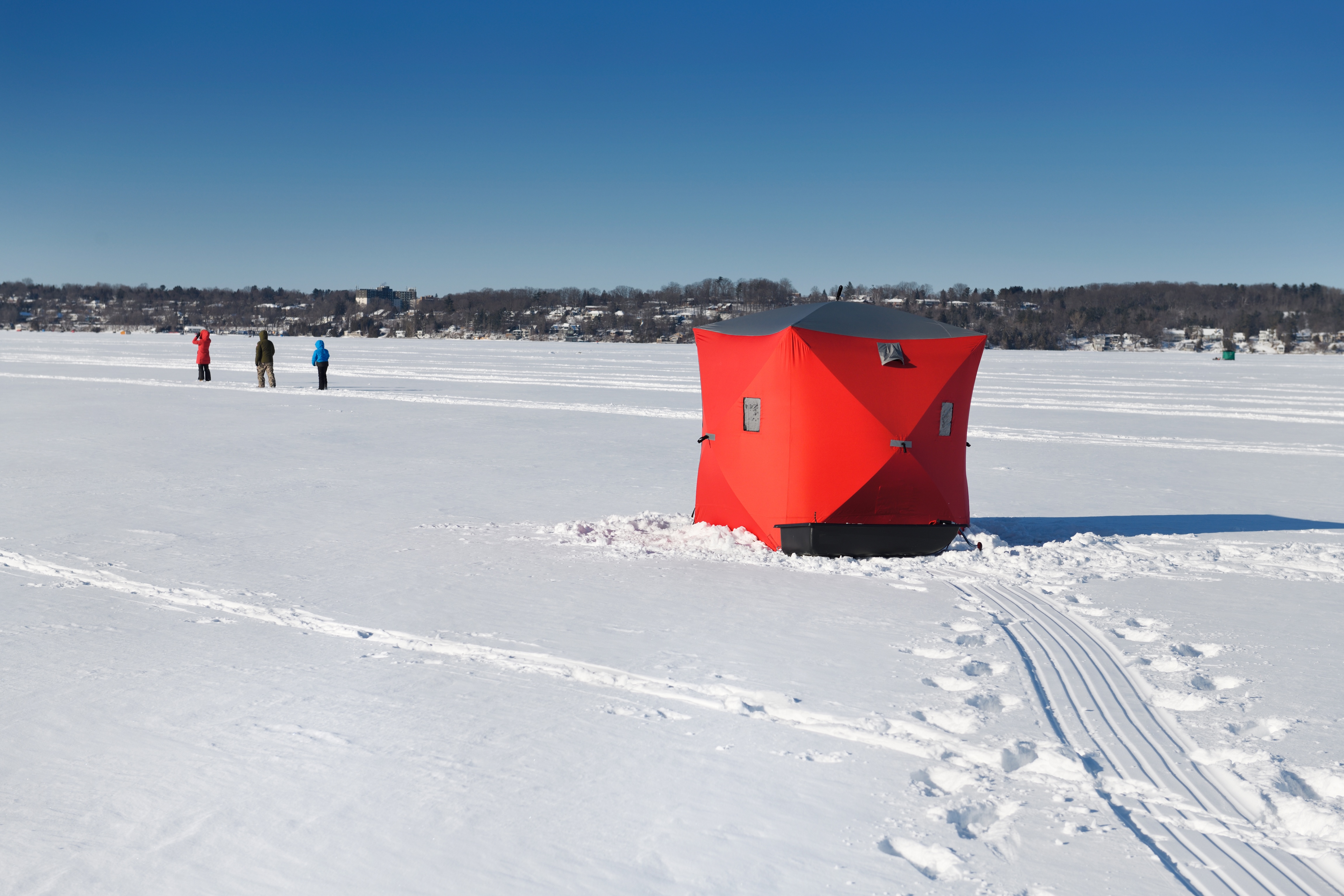
Staying warm and organized begins with a reliable shelter and a means of transporting your gear. From shelters and sleds to insulated hubs, these tools make long days on the ice easier and more comfortable.
What is the best thing to wear for ice fishing? Start with a moisture-wicking base layer, add an insulating middle layer, such as fleece or wool, and finish with a waterproof, windproof outer layer. Wear insulated boots, thermal gloves, and a warm hat. A flotation suit provides extra safety, especially during early or late ice conditions.
How to Choose and Maintain Your Shelter
Portable shelters, like hub-style or pop-up models, fold down for easy transport and quick setup. They’re great for anglers who like to move around or fish in different locations. Permanent shelters, on the other hand, remain in one place and provide good protection. However, they take more effort to haul and maintain.
If you’re looking for a cheap ice fishing tent, check the insulation. Tents with 90 grams per square meter of insulation work well for temperatures ranging from 0°F to 10°F or colder. Furthermore, insulated shelters hold heat better, reduce condensation, and use less fuel.
Select one with sturdy poles and durable fabric to minimize the need for frequent repairs. After each trip, dry your shelter completely before storing it. This prevents mildew and keeps your gear in good shape.
Key Ice Fishing Shelter Brands & Models
Two standout hub-style shelters are the Eskimo Outbreak 450XD and the Clam X-600 Thermal Hub. Both offer about 94 square feet of fishable space, thick thermal insulation, and room for 4-6 anglers. The Eskimo includes 90g insulation and strong YKK zippers. The Clam weighs around 60 lbs, which makes it easier to pull across the ice. These models combine warmth, space, and mobility for serious ice anglers.
Ice Fishing Sleds: Transporting Your Gear
An ice fishing sled gives you the ability to carry everything, like shelter, auger, rods, and tackle, across snow and ice in one trip. Look for a heavy-duty plastic tub with high sidewalls and a wide base. This keeps it stable and prevents tipping in rough spots. A great option is the Otter Sport Sled, which is built for durability and designed to handle fully loaded hauls easily.
Fish Detection & Angling Aids
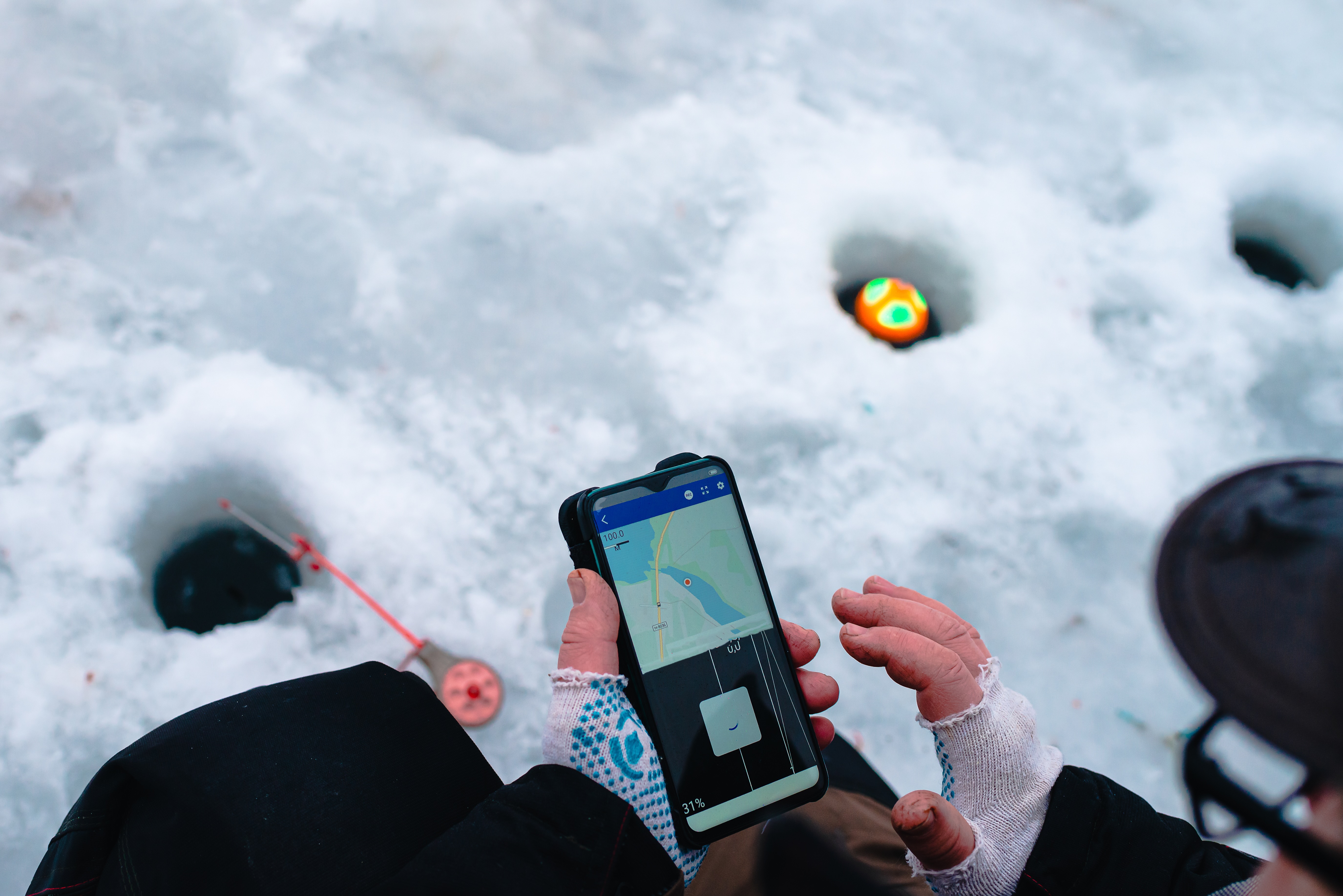
Once your shelter is set, it’s time to find fish, and the proper gadgets make it easier. From sonar to underwater cameras, these tools provide a clearer view below the ice. They also help you learn fish behavior so you know when and where to drop your line.
What is the best time of day to go ice fishing? Early morning and late afternoon are usually best. Fish are more active during these times, especially around sunrise and sunset.
Flashers vs. Fish Finders vs. Underwater Cameras
A flasher uses sonar and also shows real-time movement in a vertical display. It’s simple and great for jigging because you can watch your lure and see fish react to it in real time. Flashers are also reliable in cold weather and easy to use.
A fish finder typically uses 2D sonar to scan a wider area. It provides a more detailed view of the bottom structure, fish size, and location within the water column. Some models display a history of movement, which is particularly helpful when tracking schools of fish.
Some high-end models also have forward-facing sonar, which scans outward in real-time. It allows you to see fish before they reach your hole, which helps track their movement.
Underwater cameras give you a live video feed, so you can actually see fish, structure, and how your lure looks underwater. They’re great for learning and for confirming what your sonar shows.
Flasher
- How It Works: Uses sonar to scan wide areas
- What You See: Bottom structure, fish size & depth
- Strengths: Detailed view and history tracking
- Best For: Finding schools and structure
Fish Finder
- How It Works: Shows real-time movement vertically
- What You See: Your lure and fish reacting in real time
- Strengths: Simple, reliable, and fast feedback
- Best For: Jigging and real-time reactions
Underwater Camera
- How It Works: Provides live video feed
- What You See: Fish, lure, and structure visually
- Strengths: Confirms species and fish behavior
- Best For: Learning fish habits and ID
Key Ice Fishing Electronic Brands & Models
Three trusted names in ice fishing electronics are Marcum, Vexilar, and Garmin. Marcum and Vexilar are renowned for producing durable, accurate flashers and fish finders that withstand harsh winter conditions.
Garmin brings high-end tech to the ice with the Panoptix LiveScope system. It’s a real-time, live-scanning sonar that shows 3D images of fish and structure as they move. You can even see how fish react to your bait.
All three brands offer options for different budgets and experience levels, from basic flashers to state-of-the-art sonar systems.
Are Electronics Worth It? (And Tips for Using Them)
Yes, electronics are worth it, especially for beginners who want to learn faster and catch more fish. Start with a flasher or fish finder and adjust the sensitivity so you can clearly see your jig.
Watch for fish blips moving toward it. If you’re using a camera, use it to ID the species and see how fish react to your lure. This lets you know when to change your approach.
Hole Drilling & Maintenance
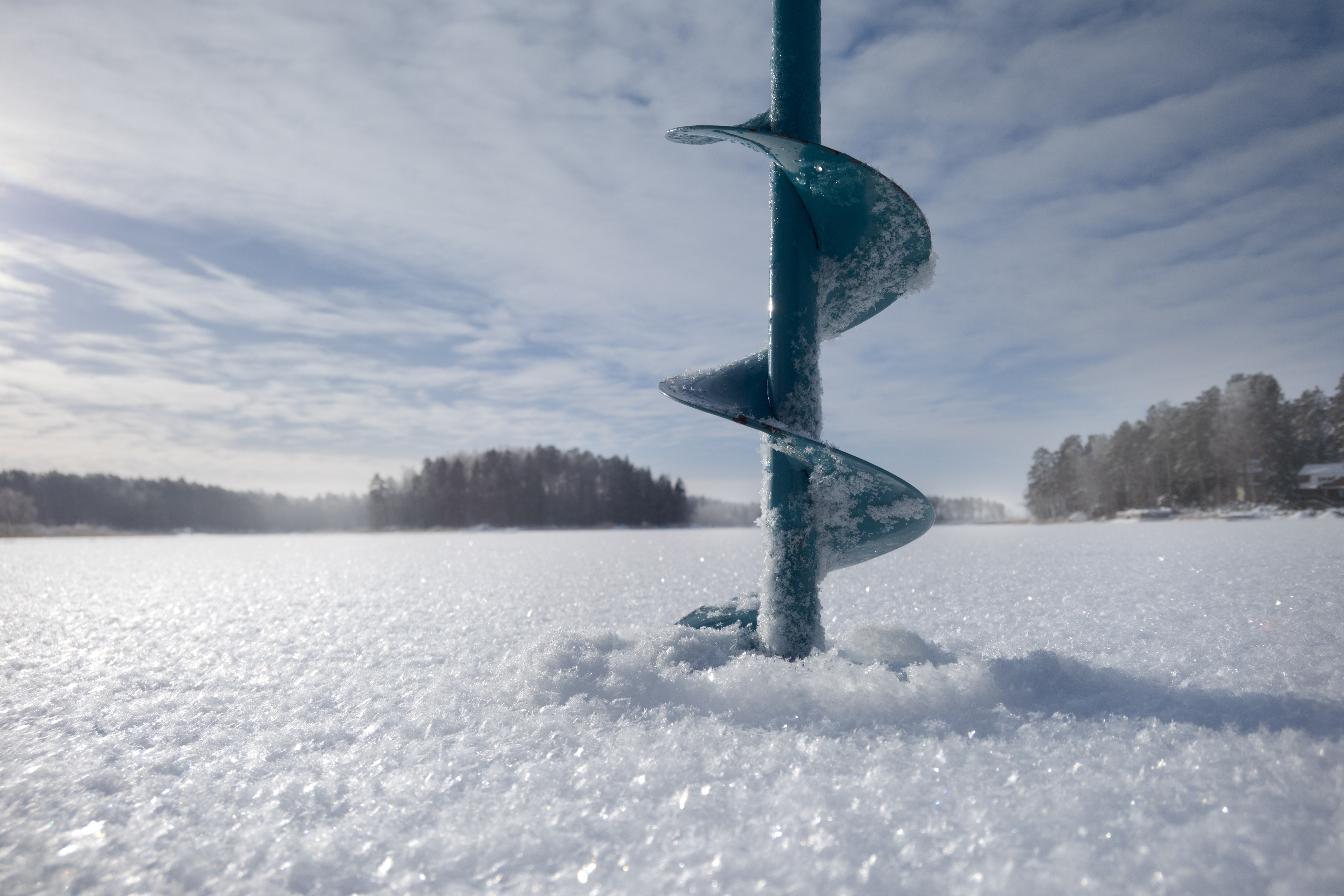
Drilling clean, safe holes is key to every ice fishing trip. The proper auger makes the job easier, regardless of what you plan to do. Augers and accessories come in different styles, and each one has its own benefits on the ice.
Electric vs. Gas vs. Hand Augers (And Choosing a Blade Size)
There are three main types of augers: hand, gas, and electric. Hand augers are lightweight and quiet. They’re a good choice for early ice or smaller jobs. However, they take effort, particularly in thick ice.
A gas ice auger is powerful and cuts quickly, which is ideal for later-season ice, but gas augers are also heavier, louder, and produce fumes.
Electric augers, especially those with Lithium-Ion batteries, offer a clean and quiet alternative. They’re easy to use, start instantly, and work well for multiple holes.
For blade size, 4-6 inches is sufficient for panfish and keeps the auger lighter. For larger species, like pike or lake trout, opt for an 8-10 inch blade. You’ll want more room to pull fish through the ice.
Key Ice Auger Brands & More
If you’re looking for a classic hand auger, Mora models are a great pick. They’re simple, reliable, and easy to sharpen.
For power augers, StrikeMaster is one of the most trusted names in ice fishing. They manufacture gas and electric models designed for harsh winter conditions.
A popular option is the StrikeMaster Lite-Flite, which combines sharp blades with a lightweight flight and a strong motor. It’s designed to drill quickly while remaining portable, making it a go-to choice for anglers who frequently move to new spots.
Ice Auger Maintenance and Blade Care
Wondering how to sharpen ice auger blades? Use a blade file or an electric sharpener to keep a consistent edge. Sharp blades drill faster and save energy, whether you’re turning by hand or using a motor.
Always dry the blades after each trip and keep a blade cover on during transport. Check all bolts and hardware before each outing and lightly lubricate moving parts.
Ice Auger Safety Procedures
The #1 safety rule: always cover the auger blade when it’s not in use. The blades are extremely sharp and can cause serious injury.
Also, be mindful when drilling. Keep hands and feet clear, and ensure no one is standing nearby. Before you drill, test the ice thickness. It should be at least 4 inches for walking. Use ice hole covers to mark your holes when you’re done to prevent accidents.
Rods, Tip-Ups, and Tackle: Your Complete Setup
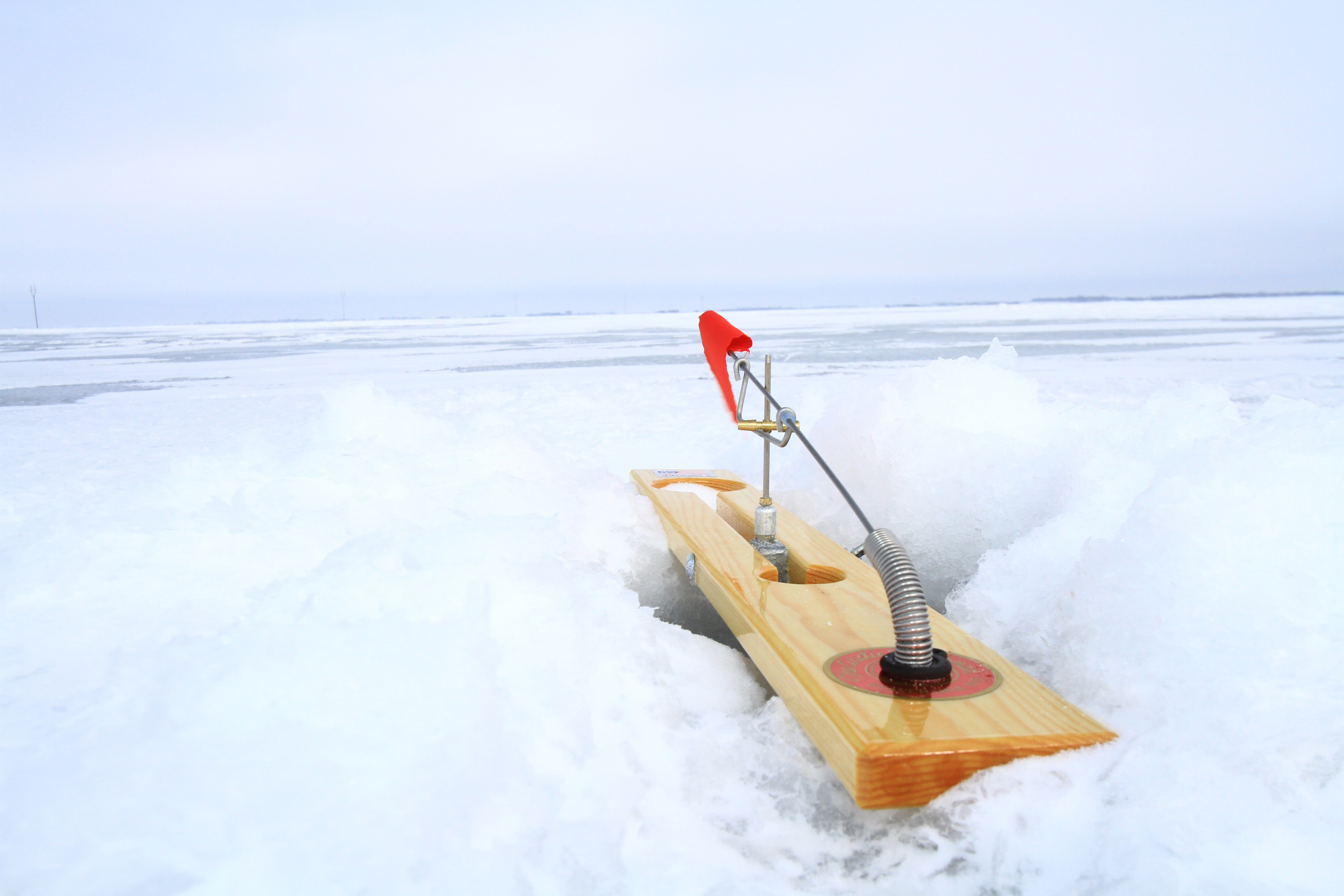
There are two primary methods for ice fishing: active jigging and passive setups. If you like to move and watch your line, jigging is the way to go. If you want to cover more ground and relax, tip-ups are a great choice.
For jigging, start with a rod and reel combo. The best ice fishing rod and reel combo for beginners is typically an ultralight or light setup. Pair it with an ice line like fluorocarbon (hard to see underwater) or braided line (very sensitive). The best ice fishing lures for panfish include tiny jigs, spoons, and plastics.
Tip-ups need fewer moving parts. You’ll need the tip-up, a spool of ice line, and a simple hook and leader setup. For bait, check out lures and jigs.
Safety & Comfort Gadgets
Cold temperatures, sharp blades, and slick ice all make safety a crucial part of ice fishing. The good news is that there are simple tools, like heaters, traction cleats, and flotation gear, that can make your day safer and more comfortable. These gadgets are always worth packing.
Related Article: Everything You Need to Go Ice Fishing: Essential Gear Guide Looking to build your ice fishing setup from the ground up? Get a full breakdown of the must-have gear to pair with the gadgets and tools featured here.
Ice Fishing Heaters and Carbon Monoxide Safety
Staying warm inside your shelter is easy with a portable heater. Most ice anglers use propane heaters, which produce quick heat and are easy to operate. Another option is a catalytic heater, which burns cleaner and is better for enclosed spaces.
Regardless of which one you use, carbon monoxide is a risk in tight shelters. Always keep some ventilation and never run a heater without a battery-powered CO alarm. It’s a simple tool that alerts you early and keeps your shelter safe at all times.
Portable Power Stations: Powering Your Electronics
Many gadgets, such as flashers, cameras, and phones, use batteries that die faster in the cold. A portable power station is a great way to keep them charged. These are compact lithium-ion battery packs that are quiet, clean, and safe to use in your shelter. They’re more reliable than carrying extra batteries and easier than using a small generator.
Core Safety: Ice Thickness and Essential Gear
Before anything else, check the ice. You need at least 4 inches of clear, solid ice to walk safely. For snowmobiles, look for 5-7 inches. These are general rules, and conditions can change quickly, so always test the ice for yourself.
Every angler should carry ice picks in case of a fall-through. Wear them around your neck for quick access. A life jacket or flotation suit is also good for early or late ice. These basic gadgets don’t take up much room but can make a significant difference if something goes awry.
Comfort and Traction: Cleats, Warmers, and Seating
Slippery ice can be dangerous & can cause injury if you’re not prepared. Ice cleats or spikes give you extra grip while walking and drilling. They also help if you need to pull yourself out during a fall.
For warmth, bring thermal gloves, heated socks, and disposable hand warmers. They’re easy to pack and can keep you out longer. Also, don’t forget a good seat. An insulated bucket or folding chair works great. A thermos of hot coffee or soup doesn’t hurt either.
Your Checklist for Ice Fishing This Winter
Before you head out on the ice, make sure you’ve got the proper gear packed and ready to go. Here’s a simple checklist to get started:
- Ice shelter or tent
- Ice auger (and blade cover)
- Sled or gear hauler
- Rod and reel combo or tip-ups
- Ice fishing lures and line
- Flasher, sonar, or camera
- Heater and CO alarm
- Ice cleats, picks, and flotation gear
- Power station and spare batteries
Gear up for your next ice fishing adventure by exploring all the top brands and equipment at Fleet Farm.