Turkey Decoys and Setup Strategies
Learn how to build an effective turkey decoy setup this spring. Explore decoy types, placement tips, and hunting tactics that help bring gobblers into range.

A well-placed turkey decoy setup can have a sizable impact on whether you call in a gobbler or watch him hang up out of range. Decoys give turkeys the visual confirmation they expect after hearing calling sounds. When a tom sees what he wants, either a rival or a receptive hen, he’s much more likely to close the distance.
The most effective decoys trigger natural behaviors like competition, breeding, and flock interaction. That’s why hunters who use them consistently report better outcomes, noting that decoys can help draw gobblers into range when calling alone falls short.
Mastering the Art of the Spread: A Complete Guide to Turkey Decoys
Decoys play a vital role in turkey hunting. When a tom hears a call, he expects to see something. If he doesn’t, he may stop short. This is known as the “hang-up” problem, and decoys can fix that by giving him a reason to move in.
The goal is to build a scene that tells a story. Do you plan to use a lone hen or a full-strut tom? Regardless, your setup should send a message that gets a reaction and pulls birds into range.
Understanding the Different Types of Turkey Decoys
Turkey decoys aren’t all the same. Each type has its own use depending on your hunting style, terrain, and how much gear you want to carry. Some are built for movement, while others focus on durability or detail. The proper choice depends on what kind of bird you’re targeting and how far you’ll be walking in.
The Durability and Detail of Hard-Body Decoys
Hard-body decoys are built to last. Many premium models are molded with textured finishes and painted by hand. They hold up season after season, even in rough weather or heavy use. These decoys don’t fold down, but they make up for it with detail and realism.
Some models include modular parts, such as interchangeable heads or removable tail fans, so you can customize your spread. While high-end brands come with a higher price tag, there are also budget-friendly plastic options that still work well.
How do you add motion to your decoy spread? Add movement with a wind-activated decoy, a motion stake, or a feather tied to fishing line. A slight motion can make hard-body decoys look more lifelike and keep birds interested.
Feeding vs. Upright Postures: When to Use Each
The way a decoy stands sends a message. Feeding positions tell toms that the area is safe. A hen with her head down looks relaxed and undisturbed, which draws birds in.
On the other hand, upright, alert, or breeding postures signal something more active, like a hen looking for a mate or watching a rival. When choosing a posture, think about the story you want or your decoys to tell. A calm scene can attract cautious birds, while a bold setup might bring in dominant toms.
Selecting the Proper Decoy for Your Targeted Bird

Not all toms will react the same way. Picking the proper decoy depends on what kind of bird you’re after (i.e., dominant gobbler, a satellite tom, or a cautious jake). Each bird responds to different social cues, so it’s good to match your setup to the behavior you’re trying to attract.
The Dominant Tom: Using Strutter Decoys to Provoke a Fight
Early in the season, toms are busy figuring out who’s in charge. That’s where a full-strut decoy comes in. These decoys challenge dominant birds by mimicking another tom ready to take over. Aiding an actual tail fan and beard can make the decoy even more convincing.
This bold setup can bring boss birds charging in, ready to fight. However, timing is crucial. As the season goes on, a full-strut decoy could scare off younger or less confident toms. Use it during the early season window, when dominance is the name of the game.
The Lone Hen: Creating a Sense of Safety and Interest
A single hen decoy is one of the most reliable choices for any phase of the season. It looks natural, keeps the setup simple, and draws attention without pushing birds away.
A laydown hen adds another layer by signaling breeding interest. This posture suggests she’s ready to mate, which can be just enough to pull in a tom that’s holding back. It’s also less likely to spook younger birds, such as jakes or satellite toms, that avoid confrontation.
Using Jakes to Challenge Subdominant Birds
Some toms won’t pick a fight with a full-strut rival, but they won’t back down from a younger jake. That’s where a quarter-strut jake decoy works best. It looks like a bird testing its place in the pecking order.
This setup works well near a hen decoy. A mature tom might see it as a younger bird trying to move in and won’t hesitate to run him off. The three-quarter strut posture is also a good middle ground, as it appears confident but not overly dominant.
Turkey Decoy Setup Strategies for Success
Once you’ve picked the decoy that you want, placement is the next step. The way you position your spread influences how birds approach and where they focus. Good setups guide the tom’s movement, keep attention off the hunter, and create clear shot opportunities.
Setting the Stage: Decoy Distance and Shot Angles
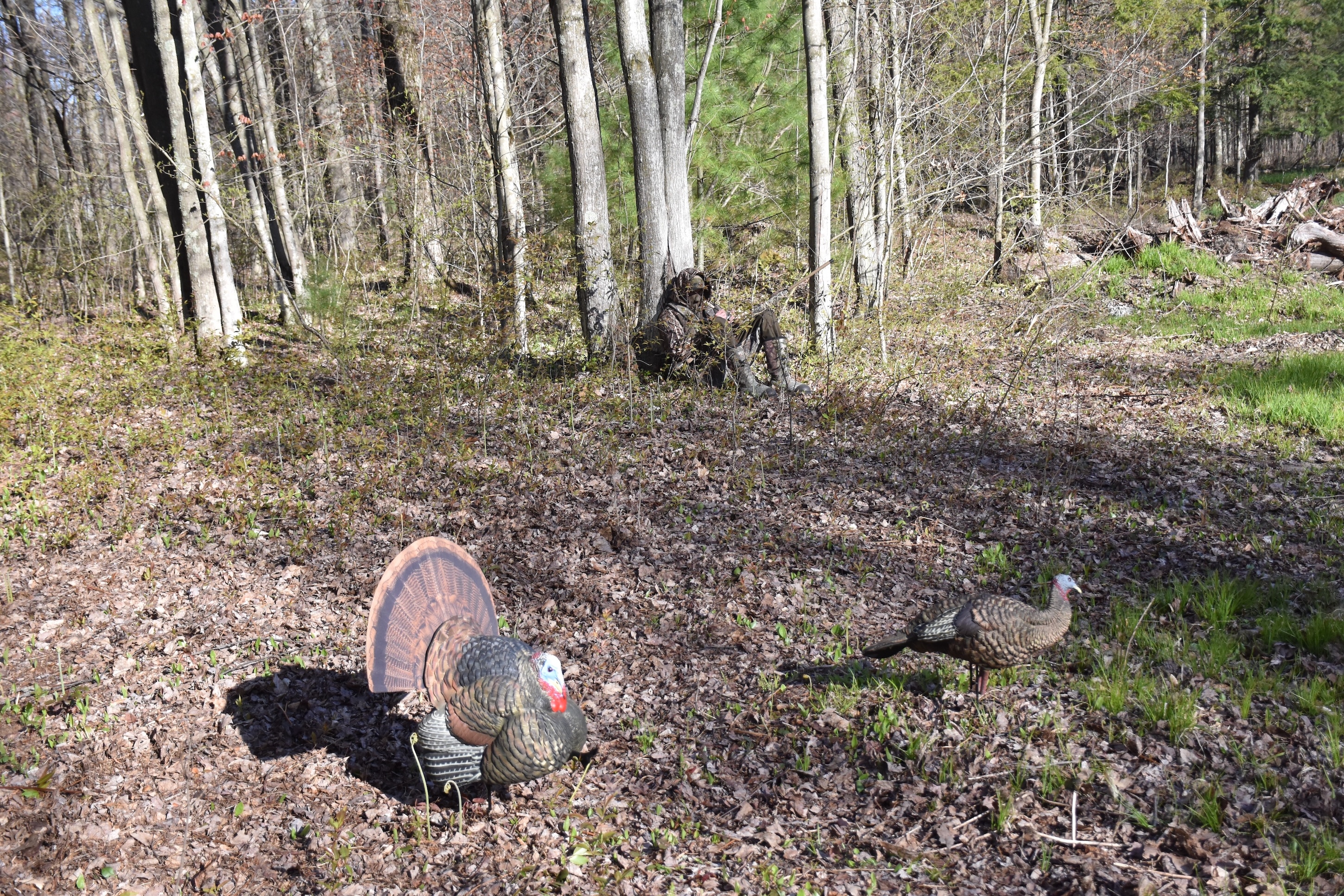
Set your decoys 15-20 yards away from your position. This range makes it easier to match the sound of your calls to the decoy's visual cue. This helps the turkeys connect the two and commit.
It also helps to angle your setup about 45 degrees from where you’re sitting. This shifts the tom’s attention away from your blind or hiding spot and keeps his focus on the decoys. Facing your decoys away from the expected approach can also draw the tom right past your shooting lane.
What attracts turkeys the most? Turkeys are drawn to realistic visuals, natural movement, and convincing calls. A well-placed decoy paired with the right sounds can trigger curiosity, dominance, or mating instincts—depending on the season.
The Breeding Pair Setup: Drawing in Aggressive Toms
One of the most dependable mid-season setups is the hen and jake combo. It creates a scene that’s hard for any tom to ignore. To sell the story, place the hen closer to you with the jake behind her.
This makes it look like the jake is following the hen, which builds urgency. A dominant tom won’t stand by and let a younger bird sneak in. This setup can draw in both bold gobblers and more cautious satellite toms looking for an easy opportunity.
The Feeding Flock: Best Tactics for Mid-Morning Hunts
Late morning is when birds often move toward feeding areas. A feeding flock setup works well in open fields during this time. Use 3-6 decoys in a mix of postures (i.e., some feeding and some upright) to create a lifelike scene.
Keep your calling light and steady to match the natural sounds of a calm group. Soft yelps and clucks work best here. This setup tells the birds the area is safe and active, which can pull in birds that didn’t respond earlier in the morning.
Field Setups vs. Wooded Transitions
In open fields, visibility is key. Use more decoys in wider setups to stand out across the landscape. You can spread them out a bit farther to make the scene look real from a distance.
In the woods, it’s the opposite. Birds can’t see as far, so stick to fewer decoys and tighter groupings. Choose natural-looking postures and place them where they’ll catch a tom’s eye through brush or over a rise. Also, call a little louder in open areas, and keep things quieter and more subtle in thick timber.
Understanding Turkey Psychology and Decoy Reactions
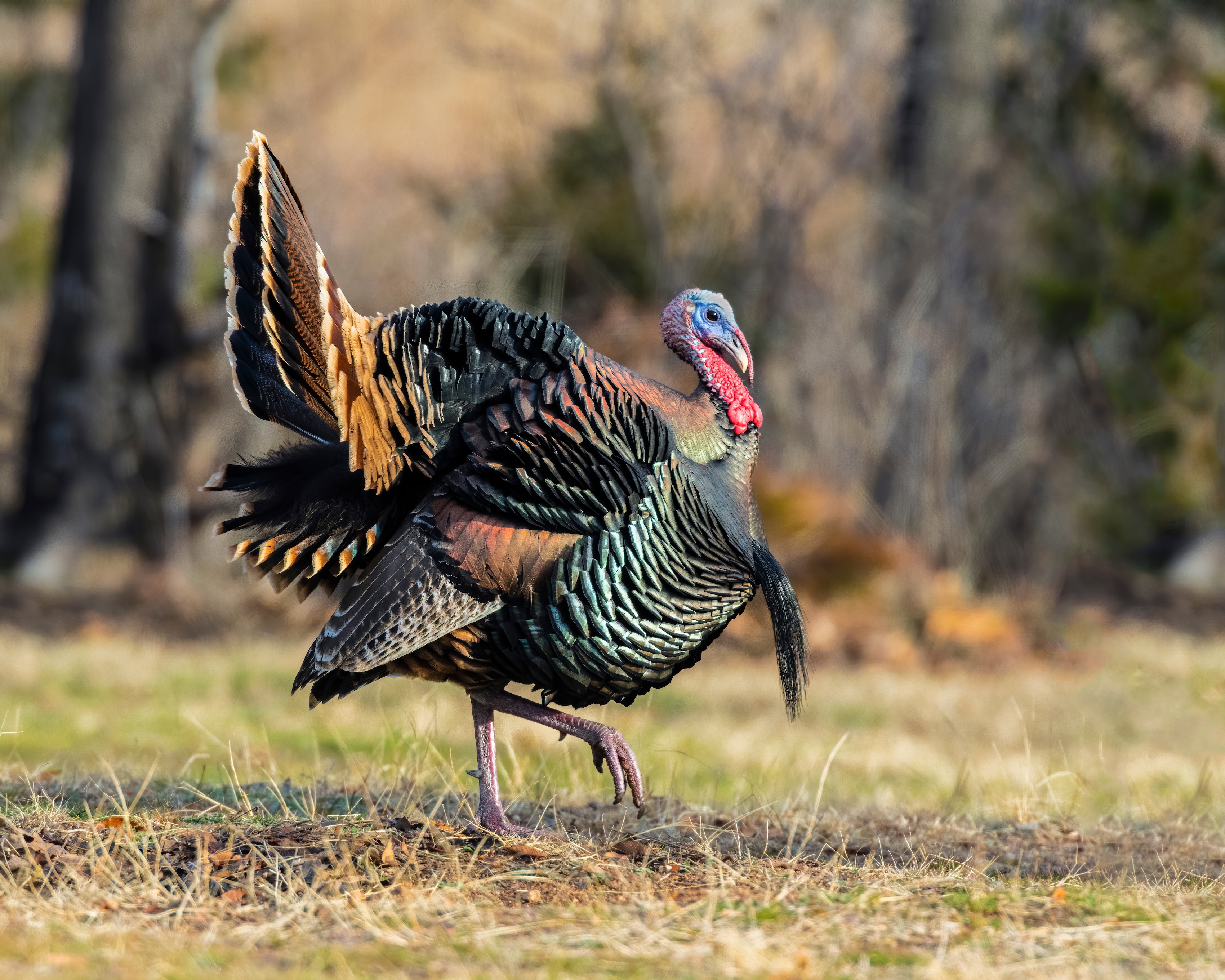
Turkeys respond to what they see, hear, and sense in the moment. Paying attention to how they act around your decoys can tell you if your setup is working, or if you need to make a change.
Reading Body Language: How to Know if Your Decoy is Working
A tom’s body language communicates a lot. If he struts, lowers his head, or keeps a relaxed snood, he’s probably buying into your setup. These are signs that he’s confident and is closing in.
However, if his head color shifts to bright red or blue, his neck stretches tall like a “periscope,” or he starts alarm putting, he’s getting nervous. You may also see “rubbernecking,” where he stares and circles. This means he’s interested but not sure. That’s your cue to keep still and let the decoy do the talking.
Dealing with “Decoy Shy” or Pressured Birds
Some turkeys, especially older ones, get cautious after seeing too many setups. They might circle wide, hang up, or avoid the area altogether. These birds are often called “decoy shy.”
If that happens, try simplifying your spread. Use just a single feeding hen or no decoy at all. You can also add small touches of movement, like an actual feather tied to the decoy to flutter in the wind. These subtle details can make your setup appear more natural and less suspicious.
Beyond the Store Shelf: Exploring DIY Turkey Decoys
Making a homemade turkey decoy can be a good option for hunters looking to save money or try something different. With the proper materials and a bit of time, you can create a decoy that looks genuine enough to fool a tom in the field.
Benefits and Limitations of a Homemade Turkey Decoy
Building your own decoy has some clear upsides. It’s cheaper than most store-bought options, especially if you’re crafting a reaping decoy for close-up encounters. You can also use actual feathers from previous hunts to make your project more lifelike.
That said, DIY models don’t always last as long. They might not handle rough weather or transport well, and putting one together takes time and careful work. If you’re heading into thick brush or long hikes, a store-bought decoy may still be the better choice.
Materials and Basics for Crafting DIY Turkey Decoys
One of the most popular DIY turkey decoys is the Clipboard Fan Method, used for making simple reaping decoys. To build one, you’ll need a clipboard, a dried tail fan, foam board, and a high-quality photo of an actual gobbler for the front. Some hunters also attach real wings for an extra boost of realism.
When using a real turkey fan, it’s essential to let it dry completely. Fans should dry for at least two weeks to fully set before use. Once it’s dry, mount it to the board, secure your grip handle, and your decoy is ready for action.
How do you dry a turkey fan for a decoy? Spread the tail feathers flat, secure them with pins or clips, and apply borax to help preserve and dry the tissue. Store it in a cool, dry place for at least two weeks until fully set.
Essential Maintenance and Transporting Your Decoys
Taking care of your decoys keeps them looking realistic and ensures that they last longer. A little cleaning and proper storage go a long way, particularly during the off-season or when moving between spots in the field.
Keeping Your Decoys Clean for Maximum Realism
Clean decoys look more natural and perform better in the field. Use mild soap, warm water, and a soft brush or sponge to remove dirt, dust, and debris. Avoid harsh cleaners that can damage paint or finish.
After washing, make sure to let them dry completely. Storing wet decoys can lead to mold or odors that linger. Once they’re dry, keep them in a clean spot until your next hunt.
Safe Transport Methods to Protect Decoy Paint and Shape
How you carry your decoy matters. Throwing them loose in the back of a truck or pack can scratch the paint or bend soft parts. Instead, use a slotted decoy bag or mesh transport bag to keep each one separated and secure.
When the season ends, store your decoys in a cool, dry place away from direct sunlight or extreme heat. This protects the colors, keeps the shape, and gets your gear ready for next spring.
Choosing the Best Gear from the Fleet Farm Assortment
Fleet Farm carries a wide range of turkey decoys for all types of hunters. Are you looking for high-end detail or just want a basic setup to get started? No matter what you need, there’s something that will fit your needs and budget.
Premium decoys from brands like Avian-X offer lifelike color, texture, and posture. They’re great for hunters who stay put and want to build a realistic spread. Mid-range options balance quality and value, while budget models are lightweight and easy to pack for run-and-gun setups.
Match your gear to your hunting style (i.e., mobile, stationary, or somewhere in between), and you’ll be ready to go when birds begin gobbling.
Putting Your Strategy into Motion this Spring
A solid turkey decoy setup does more than simply fill space in the field. It tells a story that will bring gobblers in close. It doesn’t matter if you’re using a single hen or a full spread with a strutter and jake; the key is matching your setup to bird behavior and seasonal timing.
Take time to read how turkeys react, adjust when needed, and don’t be afraid to simplify. With the proper decoys, good placement, and a little patience, you’ll be ready to turn close encounters into filled tags this spring.
Ready to gear up for your next spring hunt? Shop the full selection of turkey decoys and hunting gear at Fleet Farm to find the perfect setup for your strategy.