The Ultimate Buyer's Guide: Trickle vs. Rapid Chargers for ATVs, Boats, and Cars
Compare battery trickle vs fast charge options to protect your ATV, boat, or car battery. Learn when to use each type, and shop smart chargers at Fleet Farm.
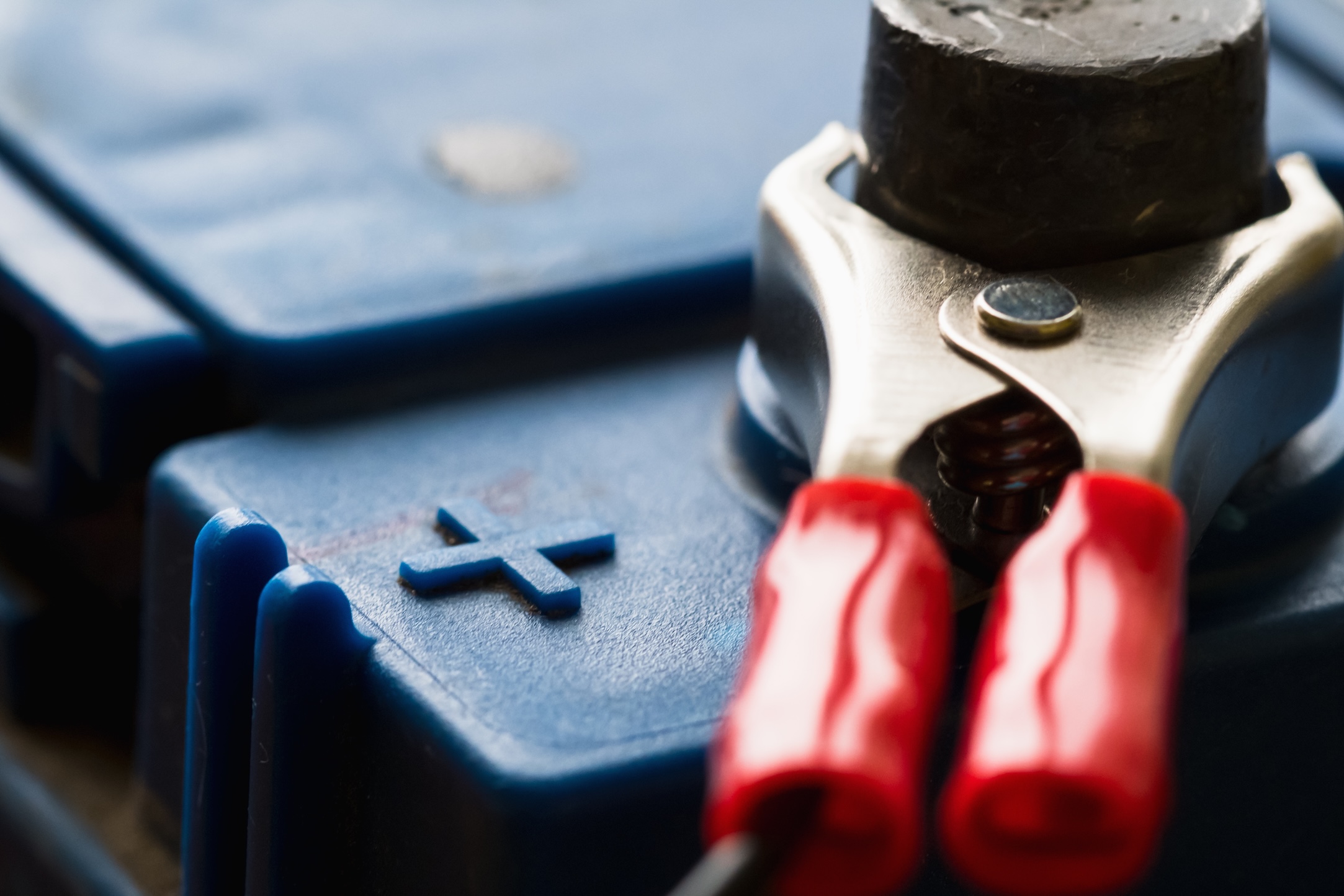
Knowing the difference between battery trickle vs. fast charge methods is vital for vehicles that sit idle for extended periods. Do you have an ATV, a boat, or a classic car? Regardless, sitting too long can lead to a drained or even dead battery. Below, we’ll break down the two main types of chargers, trickle and rapid, so you can keep your battery healthy and ready to go when you need it most.
Why Battery Maintenance is Non-Negotiable for Vehicle Longevity
Batteries lose charge over time, even when the vehicle is off. This phenomenon is known as self-discharge, and it occurs more rapidly in cold weather or when the battery remains unused for extended periods. When a battery stays low for too long, lead sulfate builds up on the plates. This process, called sulfation, can shorten the battery’s lifespan and reduce its ability to hold a charge. Keeping your battery charged means fewer surprises when you turn the key and also avoids the need to buy a new one sooner than expected.
<div class="rt-cta"><a class="cta-link-button inline-link" href="https://www.fleetfarm.com/category/tires-automotive/batteries-battery-accessories/_/N-116891366">Shop Battery Accessories at Fleet Farm</a></div>
Understanding the Two Main Charging Philosophies
There are two common ways to charge a battery: slowly over time or quickly in a single charge. Each method has its purpose. Below, we’ll explain how trick chargers and rapid chargers work, and which one best suits your needs.
Slow and Steady Wins: The Trickle Charger (Maintenance and Storage)
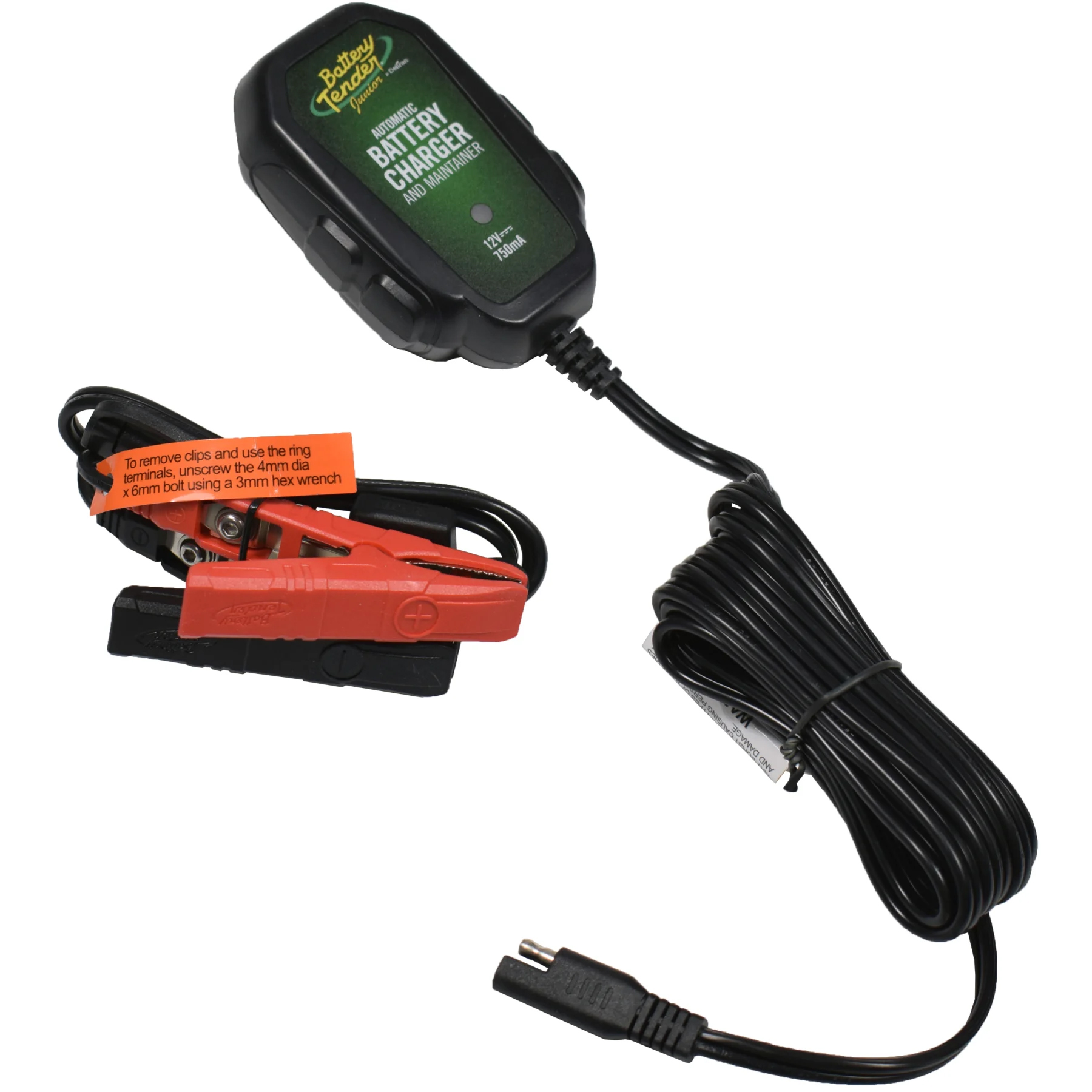
A trickle charger is a low-amp device, usually under 2 amps, meant for slow, steady charging. It’s not about speed; it’s about keeping the battery topped off over time. Most trickle chargers include a float or maintenance mode. This feature allows them to automatically turn on and off, keeping the battery charged without overcharging.
What is a trickle charger good for? Seasonal storage. If you’re winterizing an ATV or storing a boat, a trickle charger ensures the battery is ready to go when the season starts again.
Product Spotlight: Battery Tender Jr 12V Battery Charger
Power, Fast: The Rapid Charger (Boost and Quick Restoration)
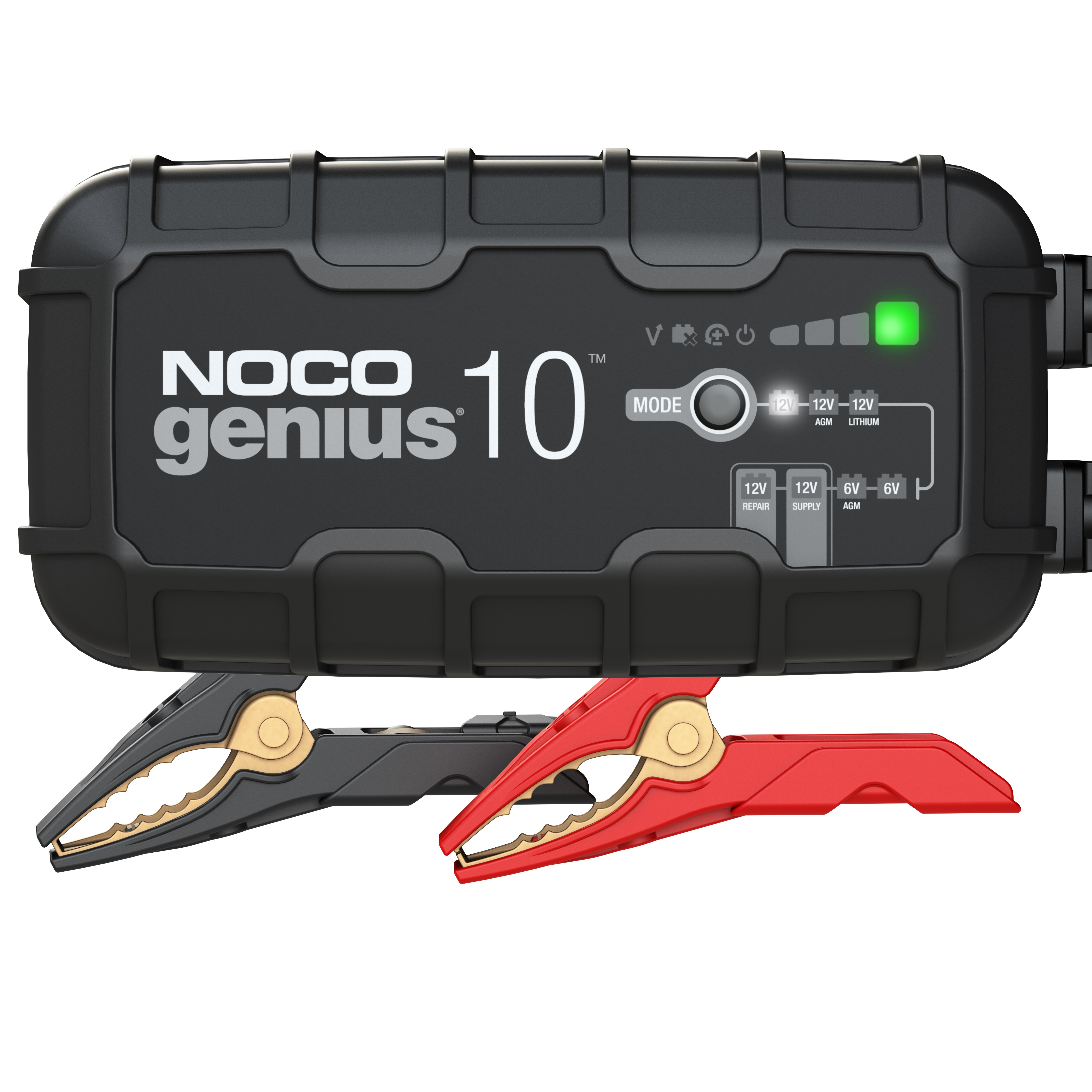
A rapid charger uses a higher amperage, typically 10 amps or more, to quickly restore a dead or deeply drained battery. It’s a good option when you need power fast, like when your car won’t start or your boat’s battery runs low unexpectedly.
However, rapid charging comes with a trade-off. A higher current can generate excessive heat, which can damage the battery if the charger lacks built-in safety controls. That’s why it’s best to use a modern smart charger when charging this way.
Product Spotlight: NOCO10A Smart Battery Charger
The Modern Solution: What Are Smart Chargers?
Smart chargers, or microprocessor-controlled chargers, adjust their charging rate according to the battery’s condition. They can switch between fast charging and maintenance modes as needed. That means they’re safe to leave connected as they reduce the chance of overcharging.
A smart charger can handle both trickle charging and rapid charging tasks, making it a versatile option for most vehicles. It’s a good choice if you want one charger that does it all, without needing to guess when to plug it in or unplug it.
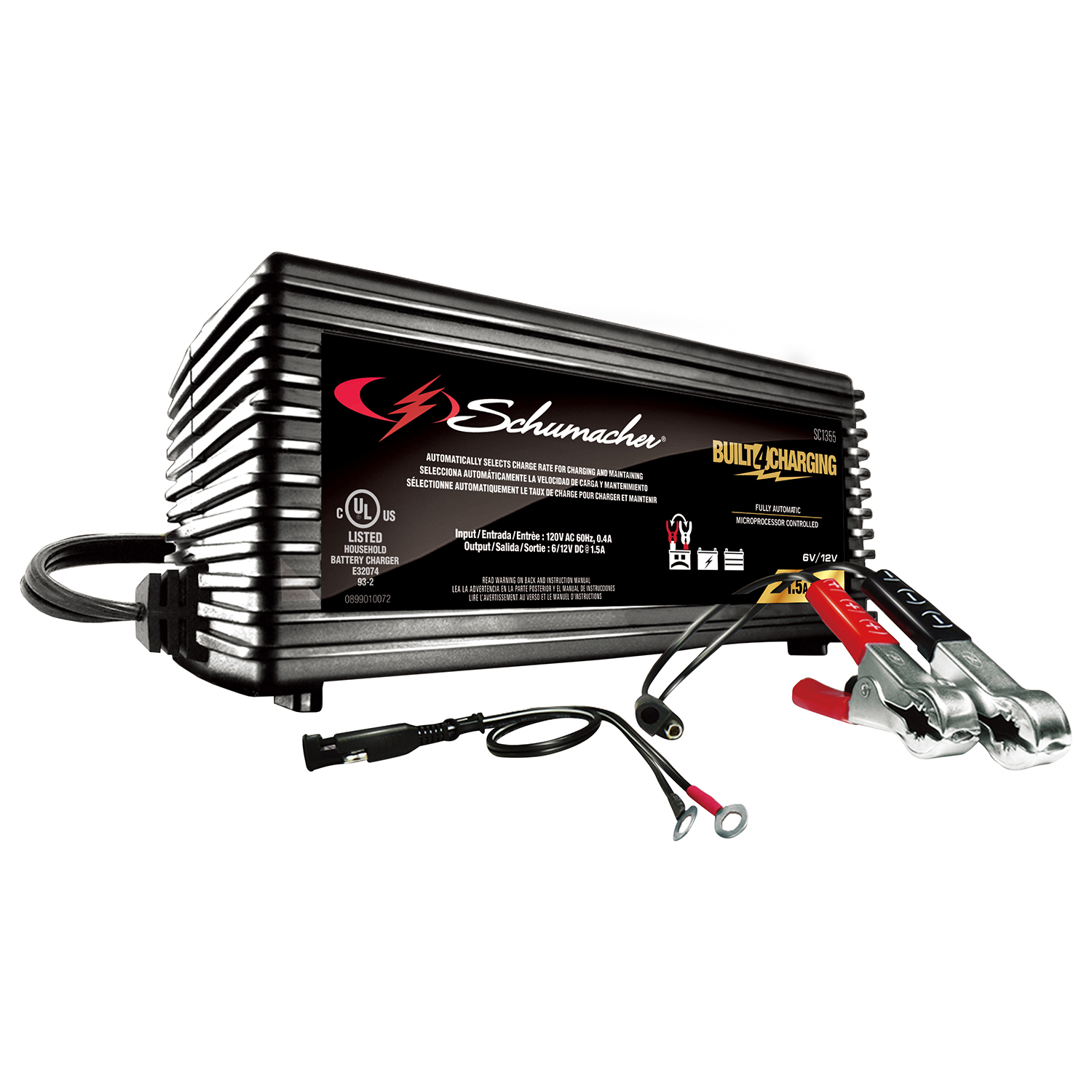
Product Spotlight: Schumacher Automatic 1.5 Amp Charger/Maintainer (6V/12V)
Deep Dive: The Trickle Charger (The Maintenance Champion)
Trickle charging is a simple way to maintain your battery’s health during downtime. Below, examine how it works, when to use it, and why it’s an excellent choice for stored vehicles.
How Trickle Chargers Work and Their Benefits (Preventing Sulfation)
Sulfation occurs when lead sulfate crystals accumulate inside a battery that has been left uncharged for an extended period. This buildup limits the amount of energy the battery can store.
Trickle charging keeps a steady, low flow of electricity moving through the battery. This gentle charge prevents sulfation from forming, thereby extending the battery's lifespan.
A battery that stays trickle-charged is more likely to remain strong, even after months in storage.
Is It Okay to Leave a Trickle Charger On All the Time?
You can leave a modern smart trickle charge on all the time. However, not all trickle charges are smart. Older models without an automatic shutoff can continue charging even after the battery is full. That can lead to overheating and electrolyte loss.
Smart maintainers are different. They switch to a float mode once the battery is full. These are safe to leave connected for weeks or even months.
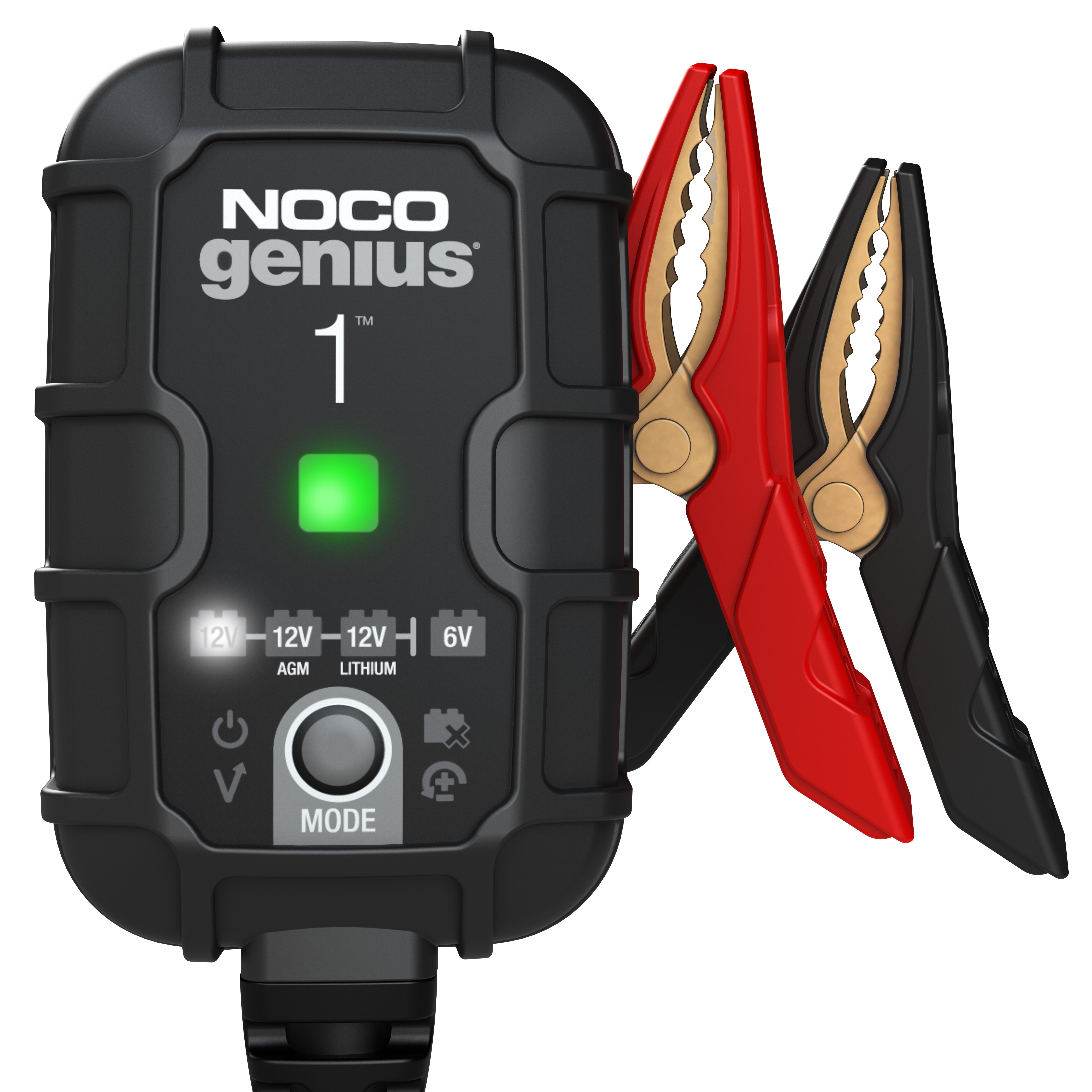
Product Spotlight: NOCO G750 1A Smart Battery Charger
Ideal Use Cases for Trickle Chargers (Seasonal Storage and Standby Vehicles)
Trickle charges are a good match for vehicles that aren’t used every day. Think of boats in winter storage, ATVs parked between seasons, or classic cars that only come out on sunny weekends.
They’re also helpful for standby vehicles that still draw a small amount of power for things like alarms or clocks. A trickle charger keeps these batteries topped off so your vehicle starts up instantly, regardless of how long it’s been parked.
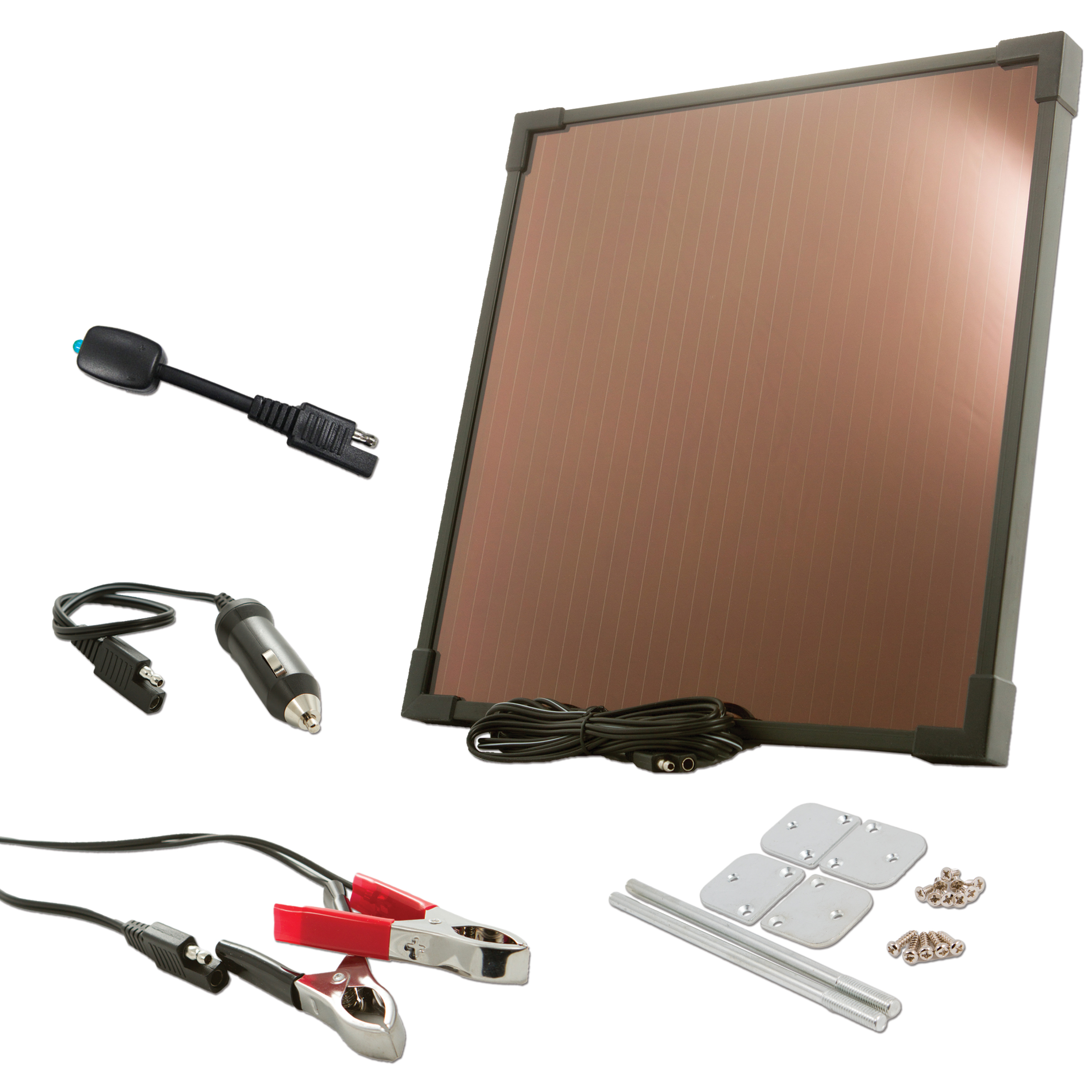
Product Spotlight: Solar Panel Trickle Charger/Maintainer
Deep Dive: The Rapid Charger (The Quick Power Solution)
Rapid chargers are all about speed. If your battery is drained and you need power fast, this is the tool for the job. Below, we’ll cover how they work, their pros and cons, and when to use one.
The Mechanism of Rapid Charging (Bulk vs. Absorption Stages)
Rapid chargers work in stages. First, in the bulk stage, the charger pushes a high flow or power into the battery, typically up to 80% of its full charge. Next comes the absorption stage, where the flow slows down to safely top it off.
Smart chargers then switch to float mode to maintain the charge. This staged approach restores power quickly without overexerting the battery for an extended period.
Pros and Cons of Rapid Charging
Rapid charging is useful, especially when time is tight. However, it comes with trade-offs. Here’s a simple breakdown:
Pros
- Fast power restoration
- Good for emergency jump-starts
- Can revive deeply discharged batteries
Cons
- Can create heat that wears down battery plates
- May cause fluid loss in non-sealed batteries
- Not ideal for everyday use
Use a rapid charger that includes automatic controls to reduce the risk of damage. Smart models adjust the charge flow to protect your battery.
What are the disadvantages of rapid charging? Rapid charging can reduce a battery’s overall lifespan if used too often. The higher heat levels and fast current flow may gradually wear down internal components, especially in older or lower-quality batteries.
When to Choose a Rapid Charger (Emergency Jump-Starting and Deep Discharge Recovery)
A rapid charger is best when you need a quick recovery. If your car battery is dead or your boat hasn’t started in weeks, this tool can get you running again quickly.
It’s also helpful for deep discharge recovery. This is when the battery is too drained for a trickle charge to recognize. Just remember: rapid chargers are meant for quick fixes, not everyday maintenance.
The Buyer’s Checklist: Matching the Charger to Your Battery
Not every battery needs the same type of charger. Before you buy, it’s worth checking a few details. The following sections will guide you through matching voltage, amperage, battery type, and safety features to the charger that best suits your setup.
Voltage and Amperage Requirements (6V vs. 12V and Charge Rate)
Start by checking your battery’s voltage. Most modern vehicles use 12V batteries, while some older or vintage models might use 6V. Pick a charger that matches.
Then look at the battery’s Amp-Hour (Ah) rating. A common rule: choose a charge with an output around 10% of the Ah rating. For a 50Ah rating, a 5A charger works well for general charging.
Lower amps (1-3A) are best suited for trickle charging, while higher amps (10A+) are suitable for faster charging.
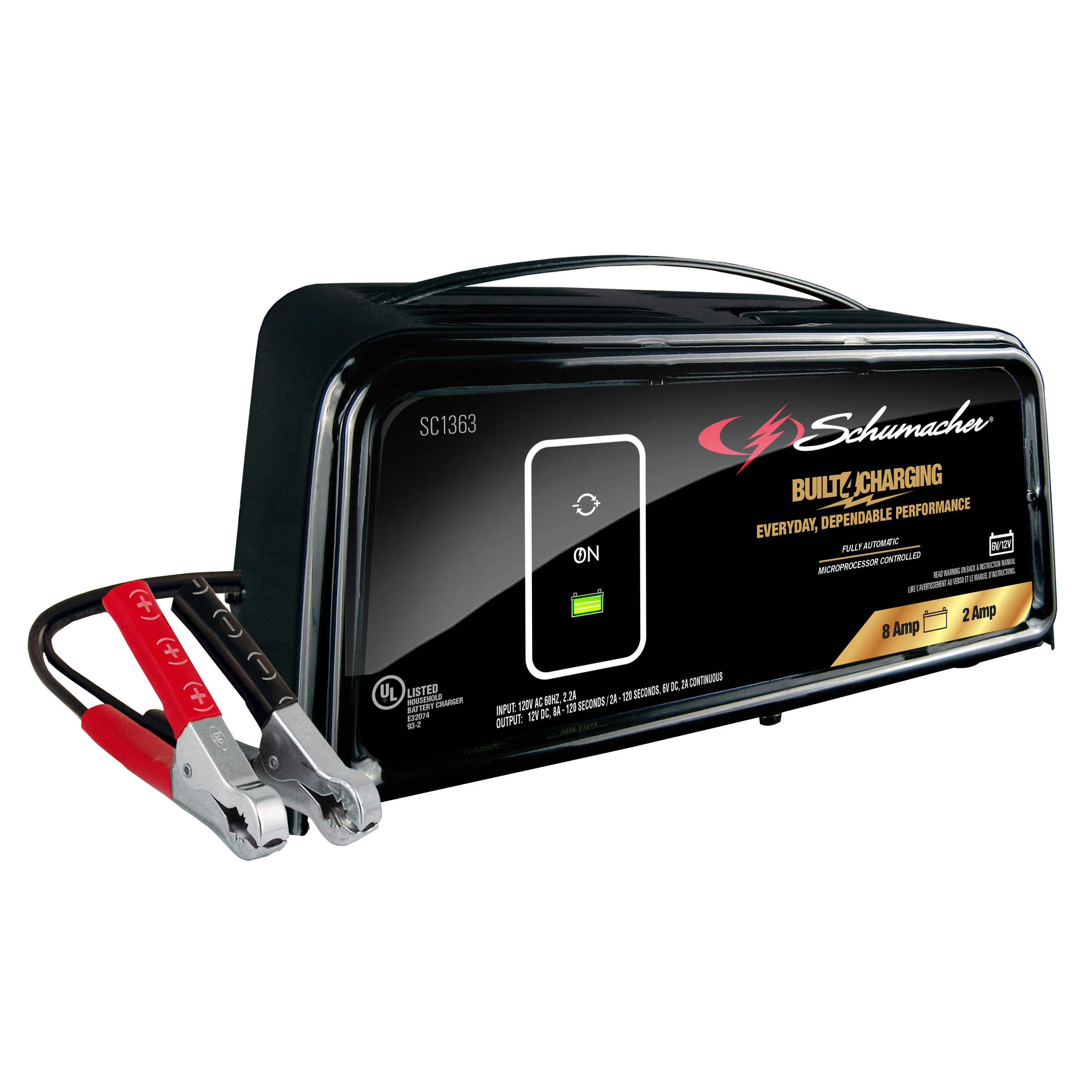
Product Spotlight: Schumacher 8 Amp 6/12V Automatic Battery Charger/Maintainer
Chemistry Matters: Charging Flooded, AGM, and Gel Batteries
Batteries don’t all charge the same way. The battery’s internal design, its chemistry, affects how it handles power.
Flooded batteries are the most common. They can accommodate a broader range of charging currents and typically don’t require special settings.
AGM (Absorbed Glass Mat) batteries need tighter voltage control. A charger with an AGM mode prevents the battery from overheating or overcharging.
Gel batteries are even more sensitive. They should only be charged with a low current and a charger that includes a Gel setting. Charging them incorrectly can cause permanent damage.
Always check the label on your battery and make sure the charger lists your battery type in its instructions.
Key Features to Look for (Reverse Polarity Protection, Desulfation Mode)
The best trickle chargers for cars and trucks come with built-in safety features. These make charging easier and safer, especially if you don't use the charger every day.
Look for reverse polarity protection. It keeps the charger from working if you connect the clamps backward. Short circuit protection is also essential.
Some advanced models include desulfation mode. This sends small pulses through the battery to break down early-stage sulfation.
If you’re charging in a garage, shed, or boat dock, look for models with a high IP (Ingress Protection) rating to resist moisture and dust.
Application Spotlights: Specific Needs by Vehicle Type
Different vehicles have different battery needs. A trickle charger for an ATV may not be suitable for a boat or a car. Below, we’ll break down what to look for based on the type of vehicle you own and how you use it.
ATVs and Snowmobiles (The Small Engine Challenge)
An ATV or snowmobile often uses a similar 12V battery with lower Amp-Hour capacity. That makes them more sensitive to overcharging.
The best trickle charger for ATVs is a low-amp model, ideally 1 amp or less. A smart maintainer will turn on and off as needed, which protects the battery over time.
Look for lightweight, portable chargers. These are easier to move between locations such as sheds, cabins, or garages where seasonal vehicles are stored.
Boats and Marine Systems (Onboard Needs and Water Resistance)
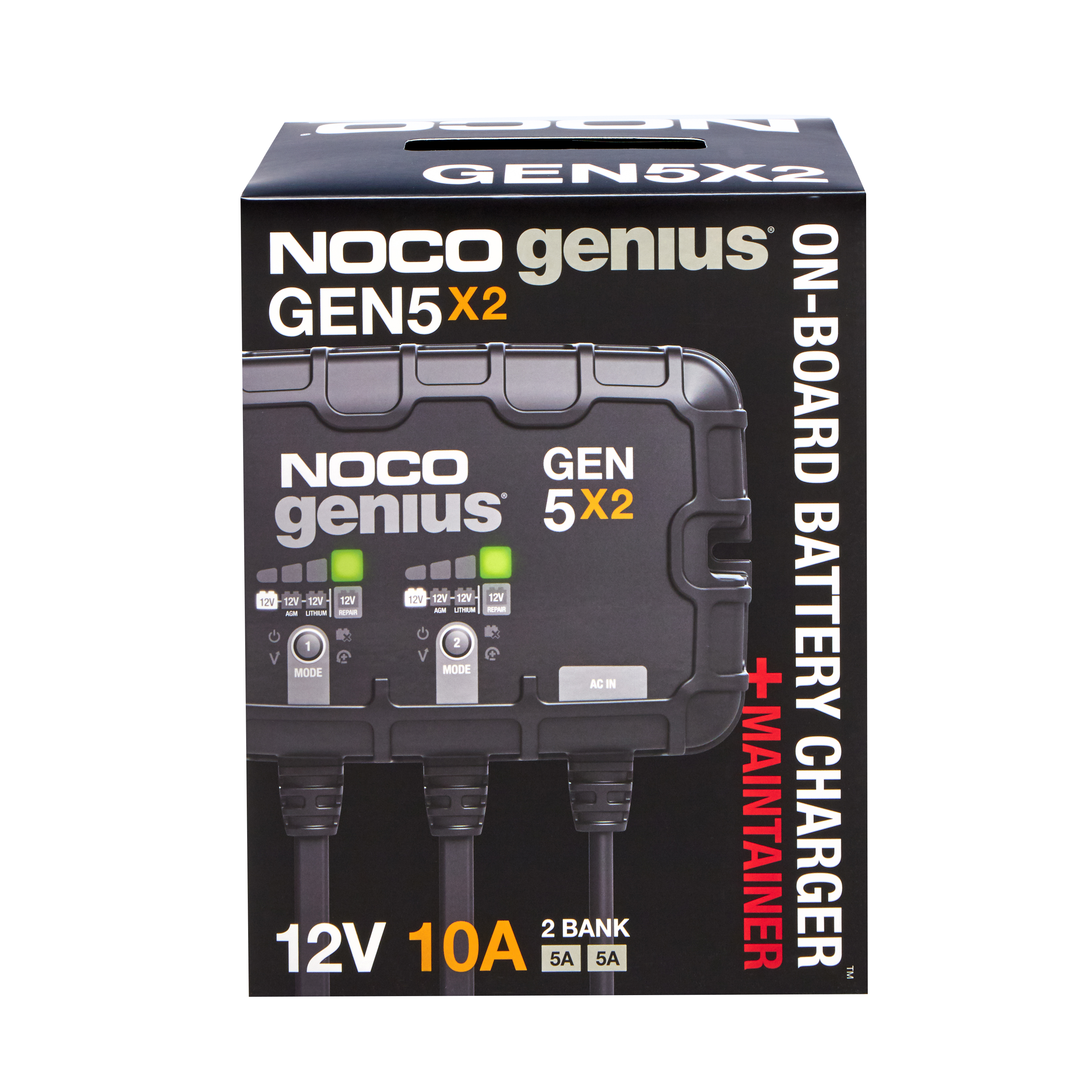
Boats often have more than one battery. You may have a starting battery plus one or more deep-cycle batteries for trolling motors, lights, or other accessories. That’s where a multi-bank charger comes in. It can charge each battery simultaneously without overloading any of them.
A good trickle charger for boat batteries should also be water-resistant. Look for models with a high IP or NEMA (National Electrical Manufacturers Association) rating. These are safe to install onboard and can handle splash zones.
The best trickle charger for marine batteries operates quietly in the background, ensuring you’re ready to launch when the season begins.
Product Spotlight: NOCO GEN5X2 10A 2-Bank Onboard Battery Charger
Cars, Trucks, and Seasonal Classics (Daily Drivers vs. Collector Vehicles)
For everyday drivers, a rapid charger is useful when your battery runs low or won’t start. It’s a good idea to keep one in the garage or truck bed, just in case.
If you own a collector or vintage car, a smart trickle charger is the better choice. It keeps the battery charged between long periods of inactivity.
If your classic uses a 6V battery, make sure the charger can switch between 6V and 12V.
Top Tips for Preventing Overcharging and Battery Failure
Before you connect any charger, it’s worth taking a few quick steps to keep things safe and avoid damaging your battery. These tips apply whether you’re using a trickle charger, a rapid charger, or a smart model.
- Tip 1: Check your battery terminals. Make sure they’re clean and tightly connected.
- Tip 2: Never charge a frozen battery. Let it thaw before connecting the charger.
- Tip 3: Match your charger to your battery type. AGM and Gel batteries need chargers with the correct settings.
Powering Your Adventures: Finding the Best Charger for the Road Ahead
Choosing the proper charger ensures you avoid trouble and keeps your vehicle ready to run. Here’s what to remember:
- Use a trickle charger for seasonal storage or standby vehicles.
- Go with a rapid charger when you need fast recovery or emergency starts.
- A smart charger can handle both, switching modes automatically.
- Match the charger to your battery’s voltage, chemistry, and amperage needs.
Make sure to use the Fleet Farm shopping list, too:
- Battery Tender Jr 12V Battery Charger
- NOCO 10A Smart Battery Charger
- Schumacher Automatic 1.5 Amp Charger/Maintainer
- NOCO GEN5X2 10A 2-Bank Onboard Charger
- Solar Panel Trickle Charger/Maintainer
<div class="rt-cta"><a class="cta-link-button inline-link" href="https://www.fleetfarm.com/category/tires-automotive/batteries-battery-accessories/battery-chargers/_/N-3377068213">Find the ideal trickle, rapid, or smart charger for your vehicle at Fleet Farm</a></div>
Fleet Farm's Top 10 Car Care Products for Winter Readiness
Dashboard Warning Lights Explained
Car Maintenance Tips for Beginners