Ultimate Duck Care Guide: Everything You Need to Know for a Healthy Flock
Learn how to care for ducks with our complete guide to raising ducks. Explore domestic duck breeds, housing needs, the best food for ducks, and health tips.
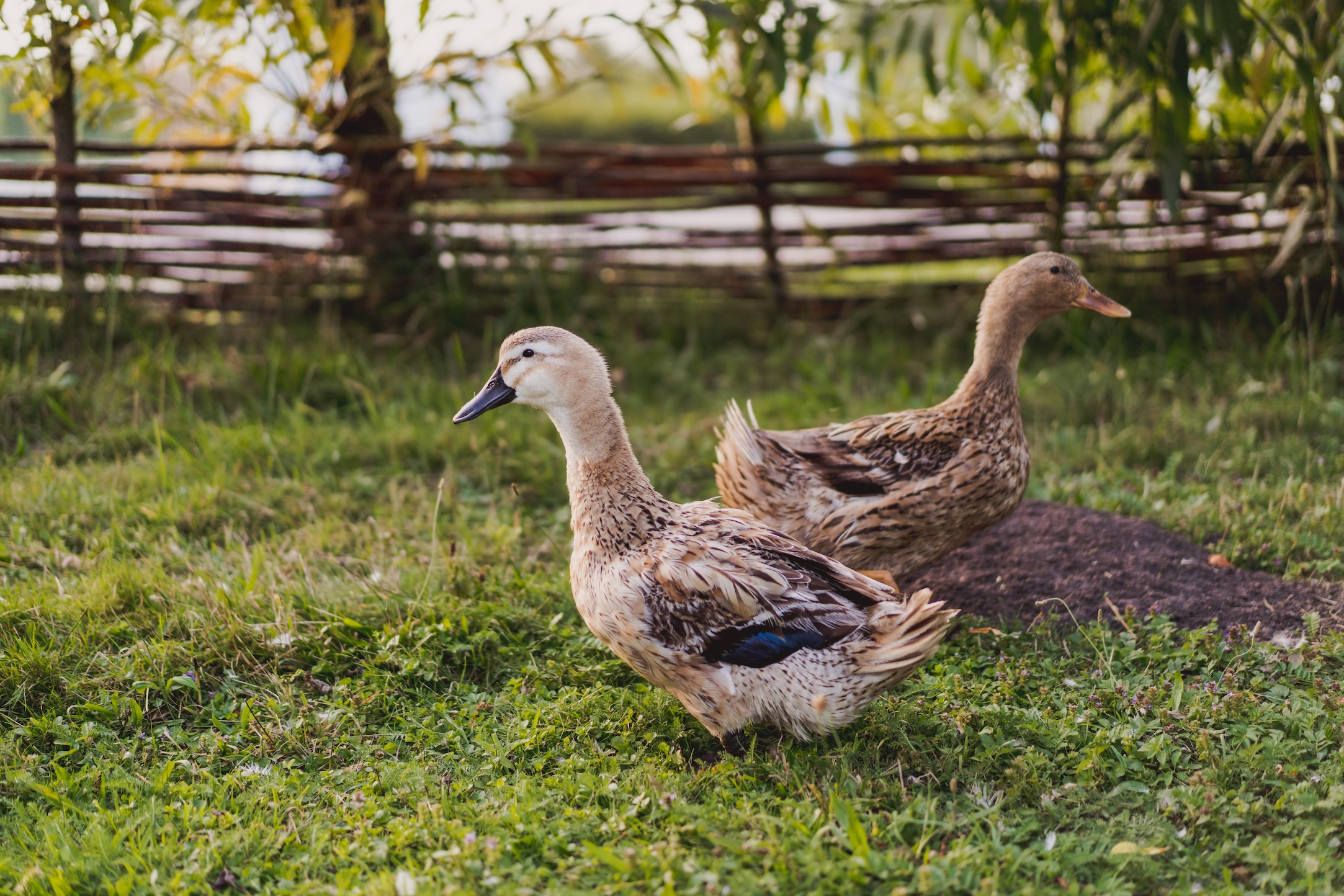
Learning how to care for ducks begins with understanding the unique rewards these birds bring to a Midwest backyard, from rich eggs and sustainable meat to charming companionship. These hardy animals have delightful personalities that make them a standout addition to any hobby farm or homestead.
To ensure your flock thrives through every season, you must master the fundamental pillars of management:
- Secure housing
- Access to clean water
- Specialized nutrition
- Proactive health monitoring
This guide will give you the essential knowledge you need to raise a vibrant, productive flock.
Getting Started with Backyard Waterfowl
Adding ducks to your property takes some planning. You’ll need to pick birds that fit your space and learn about their unique needs. It’s best to set up your yard and housing before your ducklings arrive so they can settle in right away.
Choosing the Best Domestic Duck Breeds for You
Pick domestic duck breeds based on what you want for your homestead.
- Khaki Campbells and Indian Runners are great choices if you want plenty of eggs.
- Pekins and Muscovies are popular for those who want meat or a mix of both eggs and meat.
- Cayugas are calm ducks that are great for families.
Keep the bird’s size in mind, too. Heavier breeds can develop sores on their legs or chest if they spend too much time on hard ground. If you’re a beginner, look for hardy breeds that can handle the Midwest weather.
Understanding the Lifespan and Commitment of Raising Ducks
Raising ducks is a long-term commitment. These birds often live between eight and twelve years. They’re also social animals and need to live in a group, so you should never keep a duck by itself. Plan for daily chores like sticking to a feeding schedule and scrubbing water containers. Keeping the water clean keeps your poultry healthy and productive.
Can ducks get attached to humans? Yes, ducks can form strong bonds with humans, especially if they’re raised from a young age with frequent handling. They recognize voices, follow their favorite people around, and may even seek out cuddles or attention.
Housing and Space Requirements for a Thriving Flock
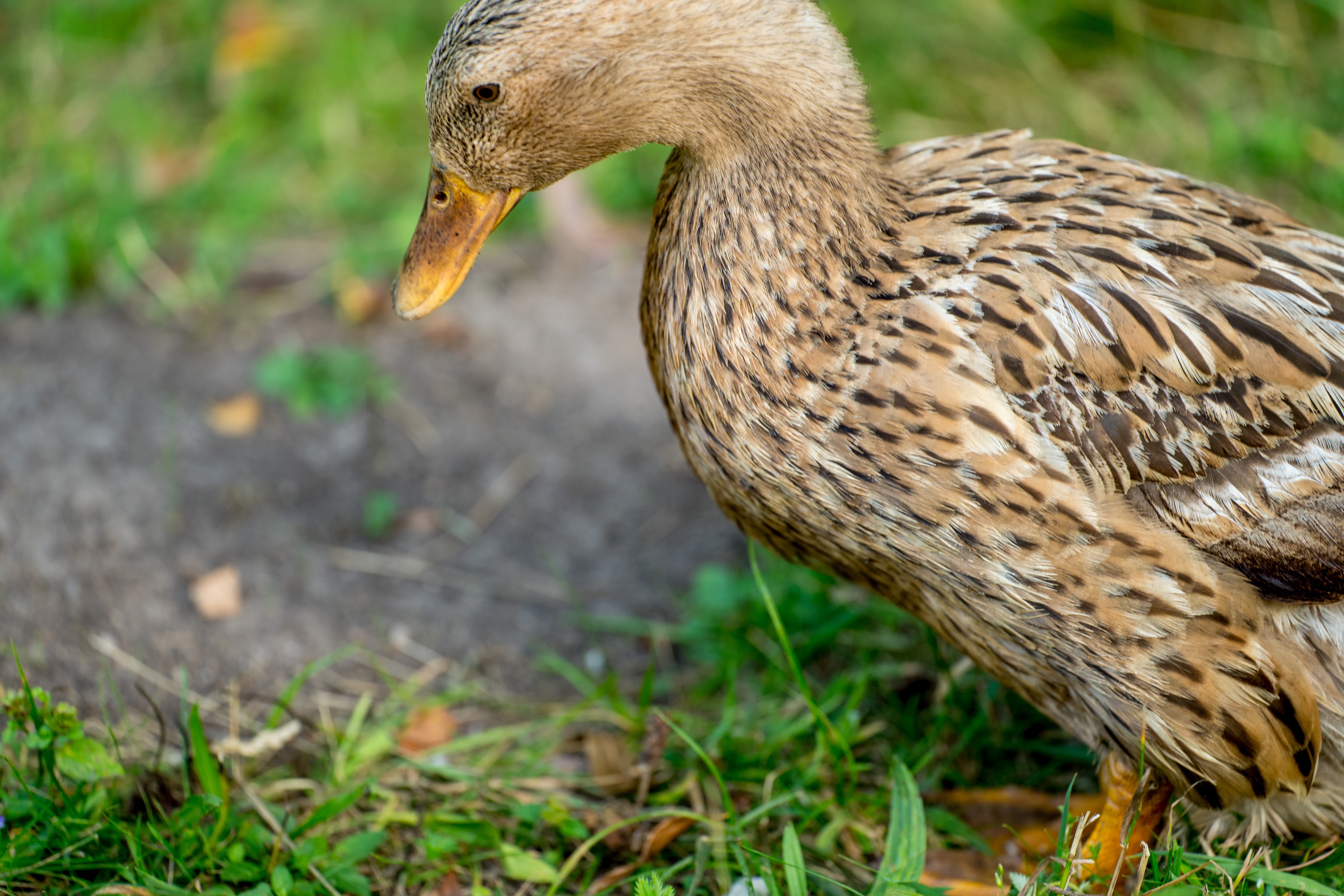
Ducks need a safe, dry place to sleep and escape the elements. A well-designed coop keeps your birds comfortable and protects them from predators. Planning your layout early will give your flock enough room to grow and stay healthy throughout the year.
Indoor Square Footage and Ventilation Needs
Knowing how to raise ducks means providing enough indoor space to prevent crowding. Each duck needs 4 square feet of floor space at a minimum. However, providing up to 16 square feet per bird is much better for their well-being. Because ducks are wide and move awkwardly on land, build your house at least 3 feet above the ground with doors around 14 inches wide.
Ventilation is also vital for backyard waterfowl. Install vents near the roof to let moisture escape. Since ducks breathe out a lot of water vapor and have wet droppings, good airflow prevents dampness and respiratory problems. Keeping the air moving above their heads keeps the coop fresh without creating a chilly draft.
Selecting the Best Bedding for Comfort and Absorbency
Carefully choosing appropriate bedding keeps the coops dry and your ducks healthy. Straw is a classic choice for nesting areas, but wood shavings are often better for absorbency in humid Midwest climates. High-quality shavings help prevent fungal issues like aspergillosis, which can thrive in damp bedding.
Always provide a thick layer of fresh material to cushion their heavy bodies. This soft floor prevents hock and keel sores caused by resting on hard surfaces. Frequently replace wet spots with dry bedding materials to keep their environment clean and their feathers in top condition.
Related Article: Bedding Basics for Chicks Curious how bedding choices compare across poultry types? Check out our guide on chick bedding to learn what works best for young birds and how those tips carry over to ducklings, too.
Building a Secure Outdoor Environment
You’ll need a safe outdoor run for your flock’s daily exercise. Each duck needs between 10 and 20 square feet of space to move around comfortably. Use ½-inch hardware cloth for the walls instead of chicken wire, which many predators can tear.
Bury wire 1.5 to 2 feet deep around the entire perimeter to protect your birds from digging predators like raccoons or foxes. Don’t forget about aerial threats. Installing a solid roof or a secure cover over the run keeps hawks from reaching your ducks.
Are ducks as destructive as chickens? No, ducks are generally less destructive than chickens. They don’t scratch up garden beds, but can make muddy spots around water sources if not managed.
Water Management for Ducks

Ducks rely on water for almost every part of their daily lives. These tips will help you set them up for success so they can drink, stay clean, and maintain their feathers.
Proper Watering Stations for Drinking and Cleaning
Ducks need waterers deep enough to submerge their entire bills fully. This allows them to wash their nostrils and eyes, which is essential in preventing infections. Unlike chickens, ducks should not use nipple-style waterers, as those don’t allow for natural cleaning behaviors.
Ducks are messy, so you’ll need to clean their stations daily to prevent bacteria from growing. For those living in freezing Midwest climates, use heated waterers or de-icers to ensure your birds have access to liquid water all winter long.
Managing Swimming Water for Feather Conditioning
Swimming isn’t just fun for ducks; it’s necessary for their health. It helps them regulate their body temperature and encourages preening, which keeps their feathers waterproof. You don’t need a large pond; a simple kiddie pool works perfectly as long as you change the water frequently to keep it fresh.
To prevent the area around the pool from becoming a muddy mess, use gravel or sand as a base. This drainage strategy will keep the ground cleaner and lower the risk of diseases that thrive in standing mud.
Nutritional Essentials: What to Feed Your Ducks
Proper nutrition will give your flock a long, productive life. Ducks have higher vitamin requirements than other poultry, so providing a balanced diet tailored to their age helps their bone strength and egg quality.
The Critical Role of Niacin in Duck Development
Finding the best food for ducks involves looking closely at vitamin content, specifically niacin (Vitamin B3). Ducks require nearly twice as much niacin as chickens to stay healthy. Many people make the mistake of using standard chicken feed, but this often lacks enough niacin for waterfowl. Without it, ducklings can develop severe leg deformities, bowed legs, and painful joint problems that make walking difficult. In extreme cases, a niacin deficiency can even lead to death. Keep your birds strong by choosing a feed formulated for ducks or adding a niacin supplement, like brewer’s yeast, to their daily meals.
Product Spotlight: MannaPro Duck & Gosling Starter Grower Crumbles
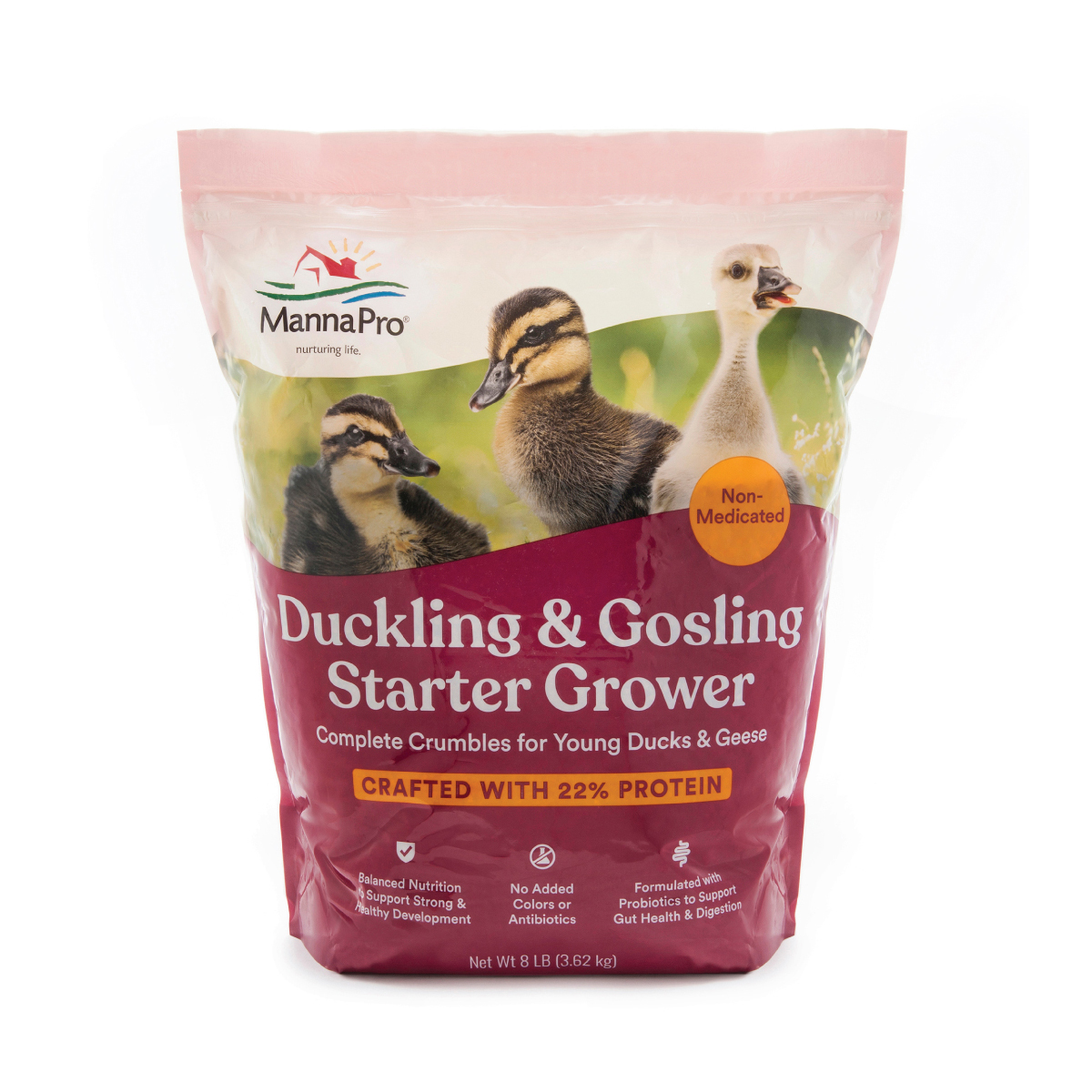
Life Stage Feeding Guide from Duckling to Layer
Your flock’s nutritional needs change as they grow. For the first two weeks, ducklings need a starter feed with about 23% protein to fuel their rapid growth. As they become “growers”, you can transition them to a diet with 17.5% to 19% protein.
Once your ducks start laying eggs, their needs shift again. Layer feed should contain roughly 16% protein and at least 3% calcium to ensure strong eggshells. Feeding your ducks twice a day (once in the morning and once in the evening) works well to give them plenty of energy while still encouraging them to spend their day foraging around the yard.
Healthy Supplementation and Foraging
Supplements and treats add variety to your birds’ diet and encourage natural foraging. While it’s fun to feed your flock, remember that treats like grains or scratch should never exceed 10% of their daily intake.
Safe Treats
- Peas (Fresh or frozen)
- Kale and other dark leafy greens
- Cucumbers
- Cooked beans (never raw)
Foods to Avoid
- Iceberg lettuce (It has very little nutritional value)
- Moldy produce or bread
- Toxic vegetables, such as raw potatoes, green tomatoes, or eggplants
Proactive Health Care and Disease Prevention
Keeping your ducks healthy is easier when you focus on prevention. Regular monitoring and a clean environment help you spot potential issues before they become serious.
Identifying and Treating Common Ailments Like Bumblefoot
Bumblefoot is a common issue caused by rough surfaces or dirty bedding. You’ll notice it as a dark scab or swelling on the bottom of the foot, which can lead to limping.
Another condition to watch for is “Angel Wing”, where the wing joints twist outward. This usually happens because of an improper diet during rapid growth. To stay ahead of these issues, schedule regular veterinary check-ups and follow a consistent deworming schedule.
Environmental Management and Quarantine Protocols
When adding new birds to your flock, keep them in quarantine for one to two weeks. This prevents the spread of potential diseases to your established birds. It’s also vital to keep the coop dry and well-ventilated; damp or dusty conditions can lead to respiratory infections and parasites.
Contaminated water is a significant health risk, often spreading threats like Duck Virus Hepatitis and Coccidiosis. Scrubbing water containers daily and keeping swimming areas fresh limits the growth of these harmful pathogens.
Flock Companionship and Environmental Enrichment
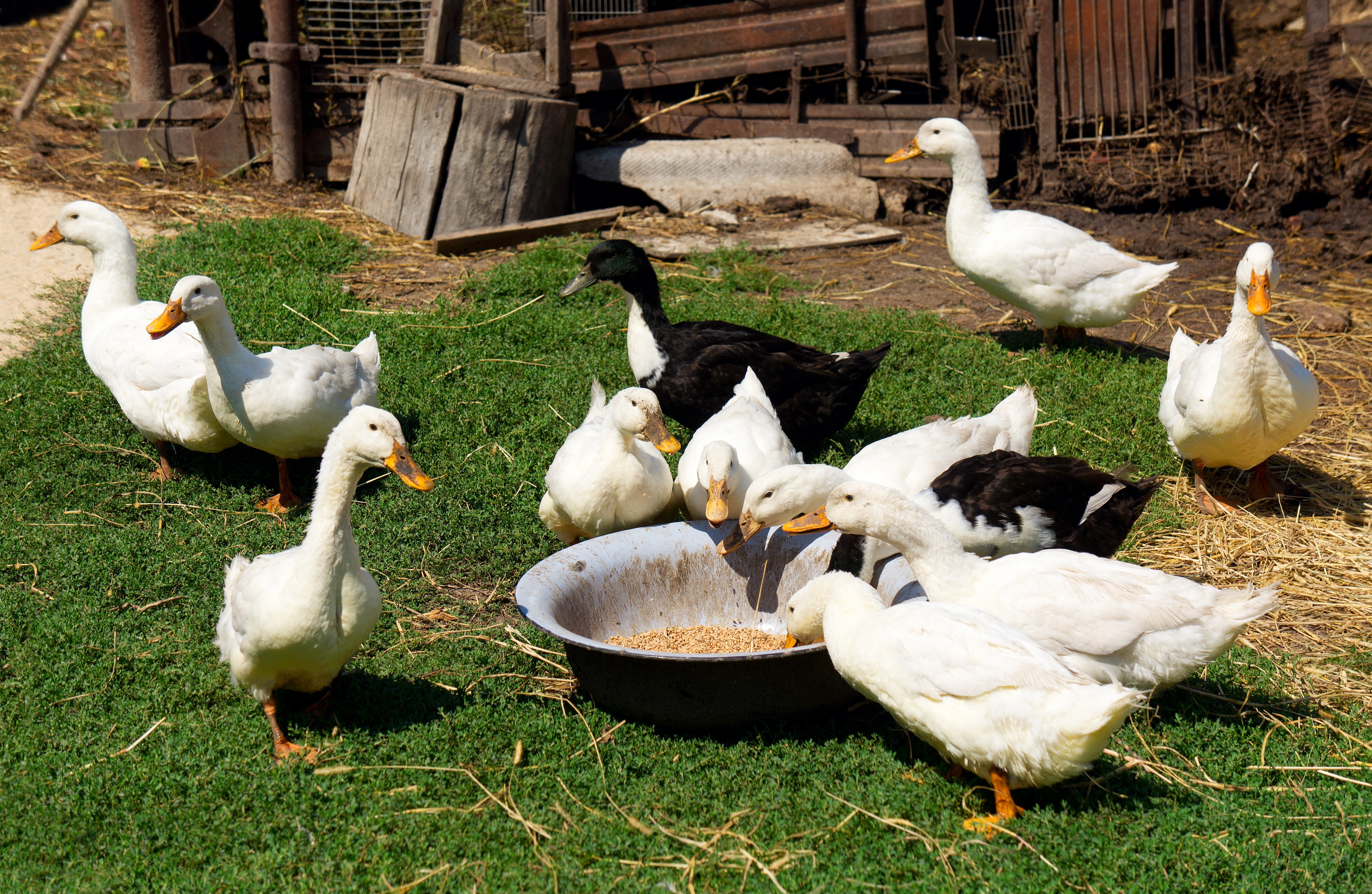
Ducks are highly social animals that thrive on interaction with their own kind. For their emotional well-being, they should always live in groups of at least two or three. Isolation causes significant stress, which can weaken a duck’s immune system and lead to physical health decline.
To keep your flock happy, provide plenty of enrichment that encourages natural behaviors. Simple additions like deep straw for rooting, different foraging areas, and consistent swimming access keep them mentally sharp. A stimulated duck is much more likely to remain active and integrated with the rest of the flock.
Essential Parameters for Successful Egg Incubation
If you plan to hatch your own ducklings, you need to be precise. Keep your incubator between 99.3°F and 99.6°F, with humidity levels at 45%-55%. Never wash fertile eggs before putting them in the incubator; doing so removes the “bloom,” a natural coating that protects the embryo from bacteria.
Turn your eggs an odd number of times each day (five is ideal) until day 25. This prevents the embryo from sticking to the shell. Starting on day 10, begin a daily routine of cooling the eggs for a few minutes and misting them with lukewarm water. This mimics the mother duck leaving the nest to swim and helps the ducklings develop properly.
Related Article: How to Clean and Store Fresh Eggs Learn the right way to clean, handle, and store fresh eggs. This guide explains when to wash eggs, how to store them safely, and how to extend shelf life while preserving quality.
The Rewards of Duck Ownership
Raising a flock of ducks is a rewarding journey that connects you to the rhythms of the homestead. Beyond providing fresh eggs and natural pest control, these birds offer hours of entertainment with their unique personalities.
Key Takeaways
- Prioritize Niacin: Ducks need nearly twice as much niacin as chickens to prevent debilitating leg and joint deformities.
- Water is Vital: Deep waterers are necessary so ducks can fully submerge their bills to clean their eyes and nostrils.
- Social Bonds: Ducks are highly social and must live in groups to maintain their emotional and physical health.
- Secure Housing: Predator-proof coops and runs with buried hardware cloth protect your birds from both ground and aerial threats.
Next Steps
- Choose Your Breed: Decide if your goals lean toward egg production, meat, or pets to select the right domestic duck breeds.
- Prepare the Coop: Build or buy a shelter that provides at least 4 to 16 square feet of space per bird.
- Set Up Foraging Areas: Use sand or gravel in high-traffic outdoor spots to manage mud and prevent disease.
- Gather Supplies: Stock up on high-protein starter feed and niacin supplements before your ducklings arrive.
Visit your local Fleet Farm to find everything you need for your flock, from specialized waterfowl feed to secure fencing and outdoor supplies.
How to Clean and Store Fresh Eggs
Free Ranging Chickens: The Pros and Cons
Identifying Problems in Your Birds