Ergonomic Snow Shovels: The Back-Saving Guide to Winter Cleanup
Discover the best ergonomic snow shovels, learn safe shoveling tips, and find the right tools to clear snow without straining your back.

Ergonomic snow shovels are designed to protect your lower back during one of winter’s toughest chores. Every year, thousands of people end up in urgent care with strains and sprains caused by traditional shovels. Below, we’ll cover how ergonomic tools work, what to look for, and how to shovel smarter.
Here’s a quick look at what else we’ll cover:
- Why snow shoveling causes injuries
- What makes a snow shovel ergonomic
- Which shovel is best for your job
- How to use better technique this winter
Why Shoveling is a High-Risk Activity (Sprain Statistics)
Every winter, emergency rooms see thousands of snow-related injuries. In fact, over 11,000 people in the U.S. visit the ER each year for injuries caused by shoveling snow, and most of those are back strains.
The main problem? Traditional straight-handled shovels force you to bend low and twist while lifting. That motion puts serious pressure on your lower back, especially if the snow is wet and heavy.
Two things make injuries more likely:
- Lifting too much weight at once
- Twisting your spine while holding that weight
These forces strain muscles, pinch nerves, and can lead to weeks of soreness or even medical treatment. That’s why using better tools, and better form, makes a significant impact.
What Makes a Snow Shovel “Ergonomic”?
Not every snow shovel is the same. Ergonomic models are built to reduce strain on your back, shoulders, and wrists. Two key features make the biggest difference: the shape of the handle and the design of the blade.
The Science of the Bent Handle: Reducing Lower Back Strain
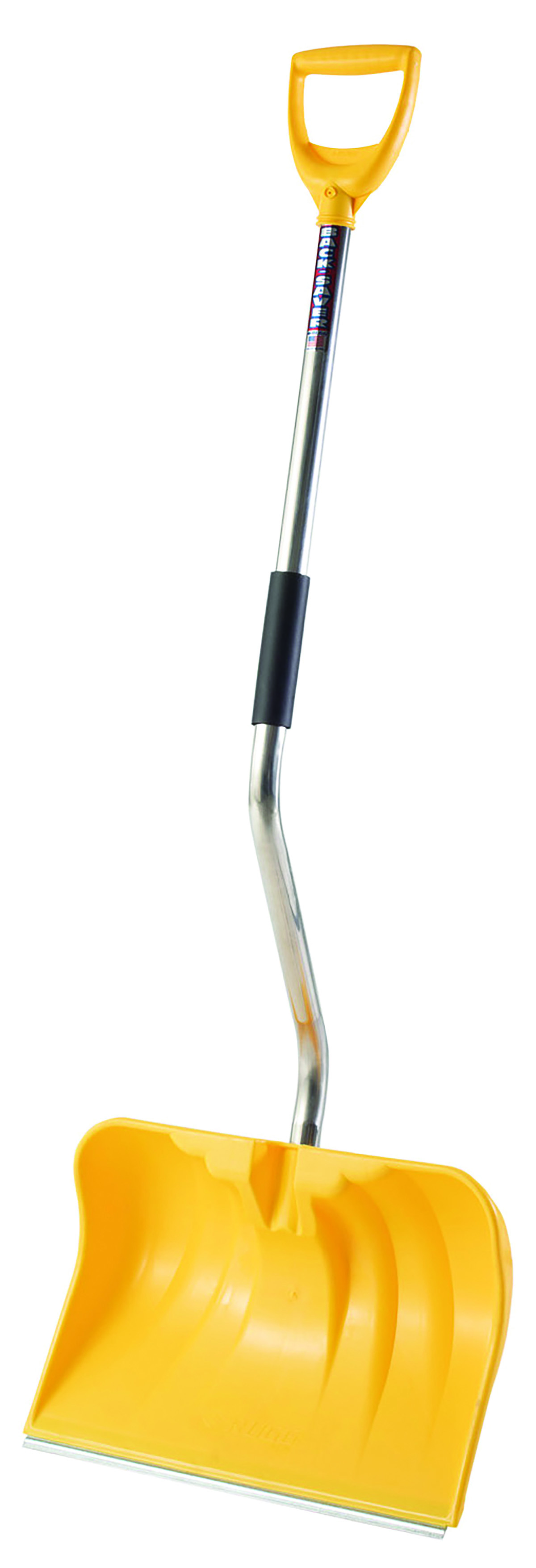
A bent handle may look unusual. However, it serves an important purpose. The curve raises the grip closer to your body, so you don’t have to bend as far to reach the ground. That means your back stays straighter while you work.
Most ergonomic shovels also come with D-grip or O-grip near the end of the shaft. These extra grips give you better control and a more natural hand position. This cuts down on wrist strain and lets you lift snow more comfortably.
The bent shaft also acts like a lever. Instead of putting all the lifting force on your lower back, it shifts more of the effort to your arms and legs, which is where your strength is.
Blade Design and Material: The Key to Lighter Loads
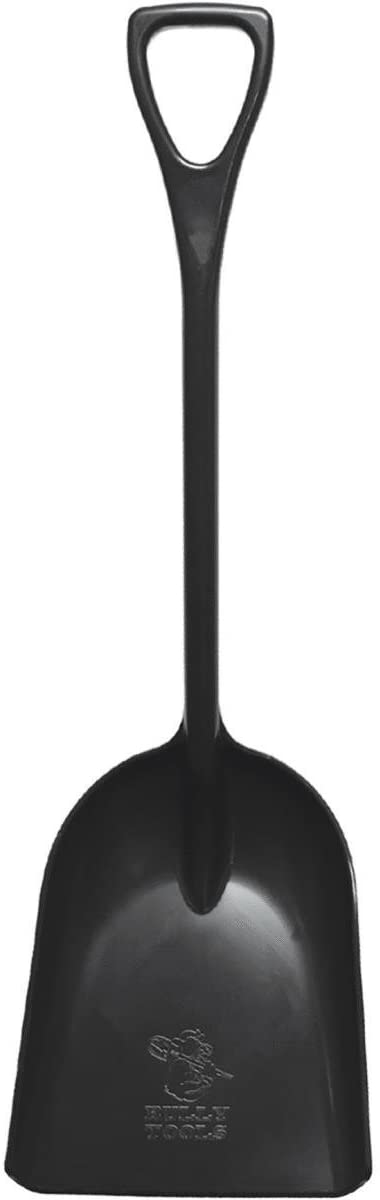
The blade matters just as much as the handle. Most ergonomic shovels use high-density poly or aluminum to keep the weight low without sacrificing strength. A lighter shovel means less effort with every scoop.
Blade shape also plays a role:
- Deep scoops are made for lifting and tossing snow.
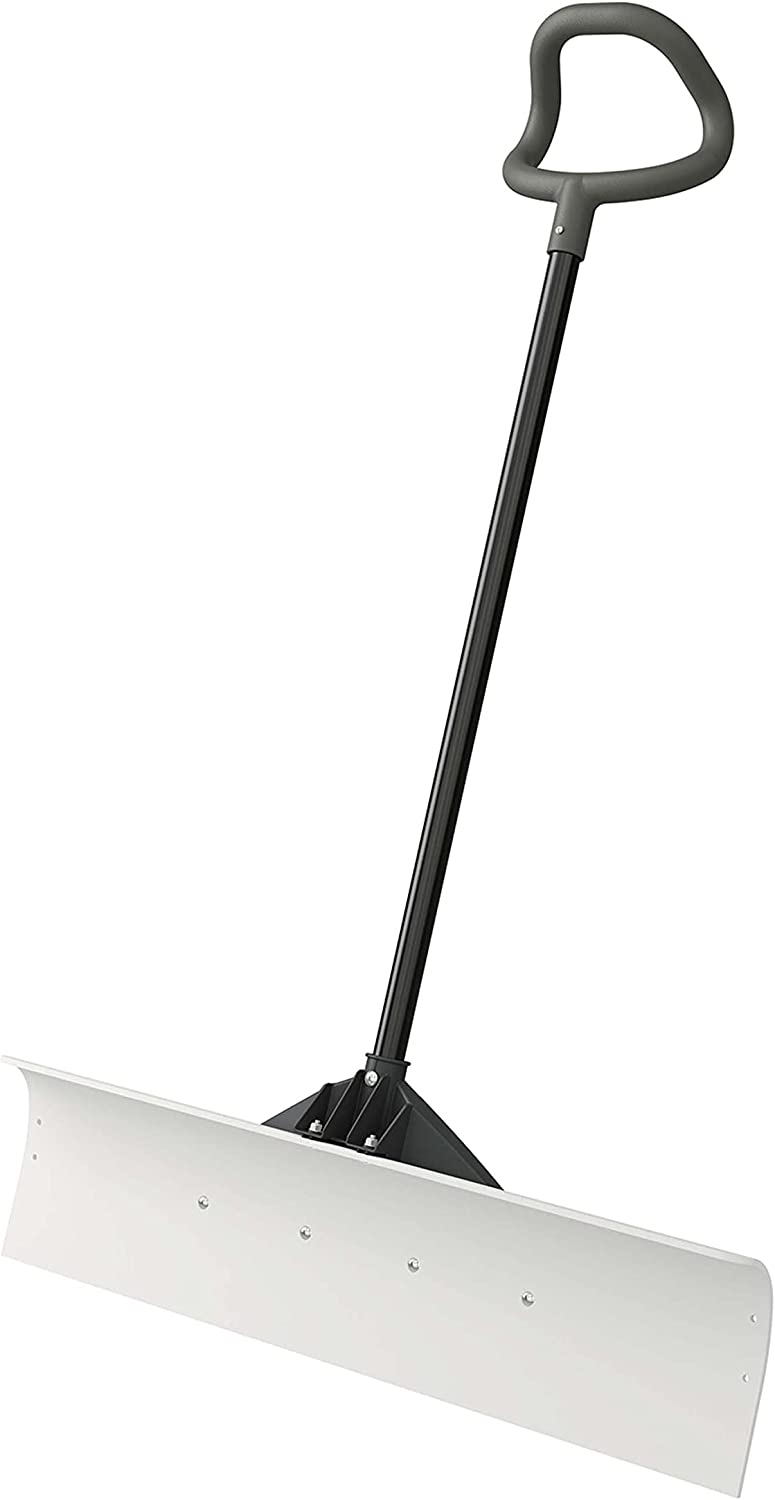
- Wide, flat blades are better for pushing snow across driveways and sidewalks.
Look for shovels with a durable wear strip, like steel or UHMW (ultra-high molecular weight plastic). These strips protect the blade from cracking and can scrape snow clean off the surface.
Size is also important, particularly in deep snow. A smaller, deeper blade is better for wet, heavy snow. It keeps each load manageable, so you’re not lifting too much at once.
Are Ergonomic Snow Shovels Worth the Investment?
Ergonomic snow shovels may cost more than basic models, but the long-term benefits make them a good pick. From lower aches to better durability, there’s a lot to like about these back-saving tools.
Long-Term Health Benefits vs. Cost
A quality ergonomic shovel might cost $30-$50, but compare that to a single visit to urgent care or a chiropractor, and it quickly pays for itself.
Using a shovel that’s designed for your body means less strain each time you clear the driveway. That adds up over a long winter, especially if you’re shoveling several times a week. It’s easier on your muscles and gives you peace of mind knowing you can work without pain.
Well-built ergonomic shovels also last. They’re made with sturdy materials and better grips, so you’re not replacing them every season. Buying one solid tool is better than going through several cheap ones.
Weight Considerations: How Heavy Should an Ergonomic Shovel Be?
Weight matters. When you’re moving snow, you’re lifting the shovel as well as the snow on it. That’s why a lighter shovel is generally better.
Most ergonomic models use plastic or poly blades to keep the weight low. These materials are strong but are easier to lift than steel. They work well for most jobs but do need some extra care, particularly around rough surfaces or ice.
Some push-style shovels are heavier, and that’s okay. Because you’re pushing snow instead of lifting it, weight keeps the blade on the ground and moves the snow more easily.
Types of Ergonomic Snow Shovels
Not every ergonomic snow shovel is designed for the same job. The best choice depends on where you live, how much snow you get, and how you plan to use the shovel. Here’s a look at the most common types, and what makes each one stand out.
<div class="rt-cta"><a class="cta-link-button inline-link" href="https://www.fleetfarm.com/category/lawn-garden/snow-removal/shovels/_/N-368501776">Explore the full selection of snow shovels at Fleet Farm to find the proper shovel that fits your winter needs</a></div>
The Best All-Purpose Shovel
If you’re looking for the best ergonomic snow shovel for everyday use, go with an all-purpose model. These shovels feature a curved handle, a mid-size blade, and lightweight materials. They’re easy to carry and great for clearing sidewalks, as well as walkways and smaller driveways.
The curved handle reduces back strain, while the smaller blade size keeps loads manageable. Look for designs labeled “backsaver,” as they’re built to keep you in a more upright stance.
Heavy-Duty Pushers
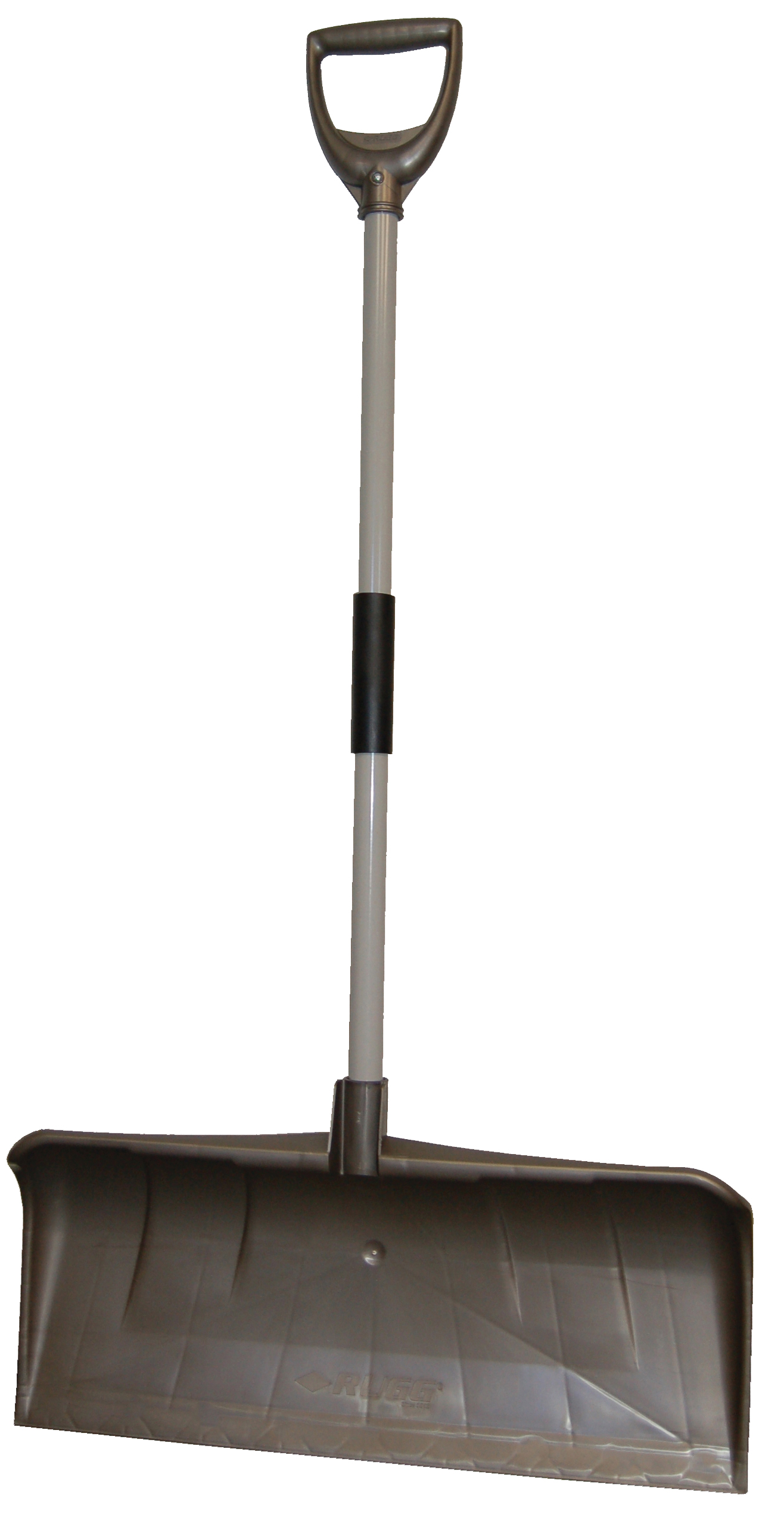
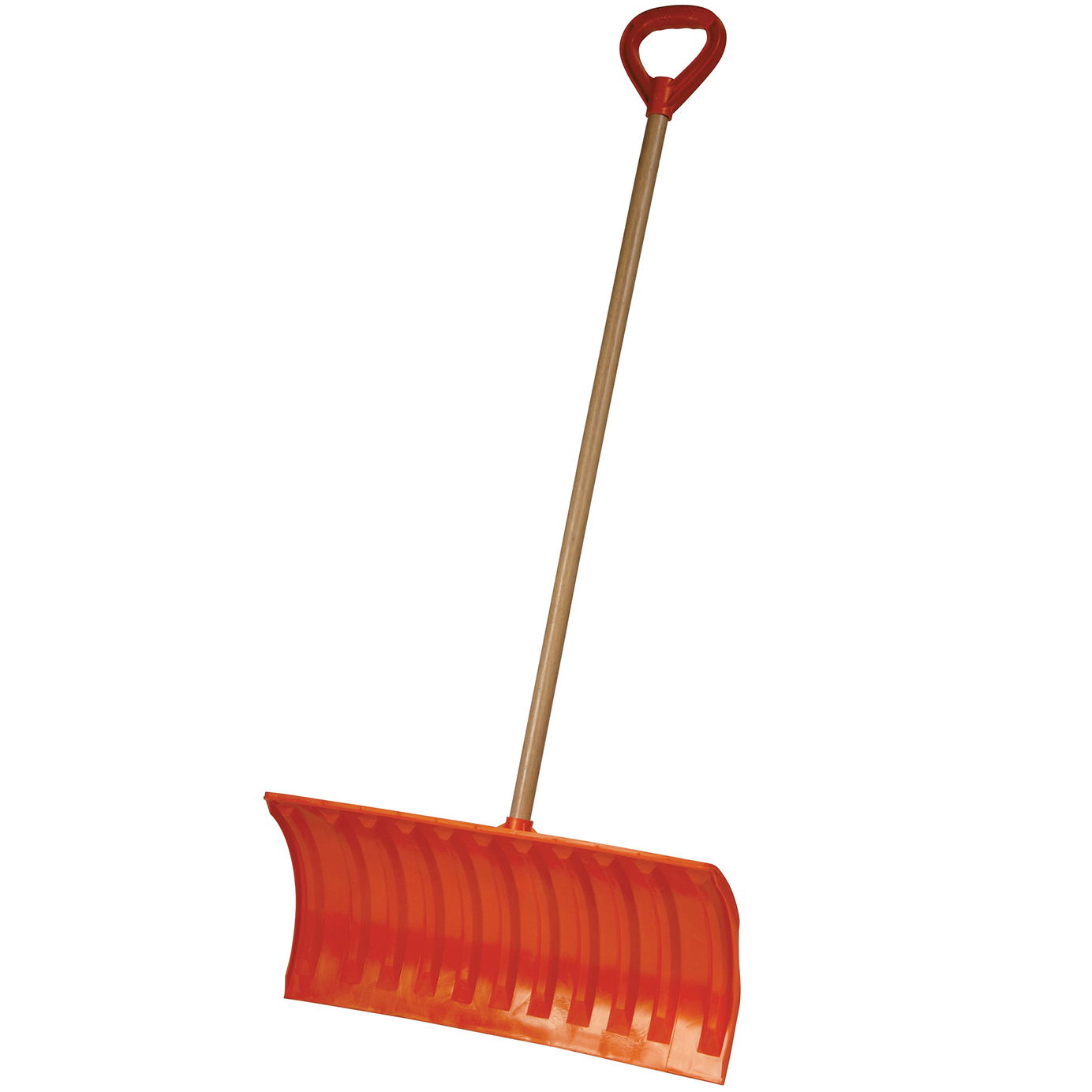
When you need to clear a wide driveway or a large sidewalk, a snow pusher is a better tool. These have wide, deep blades designed to push snow out of the way, no lifting required. That alone reduces the risk of a back injury occurring.
Pushers often include D-grip handles for better control, and many have reinforced shafts or steel cores to handle extra force and long use.
Compact and Specialty Designs
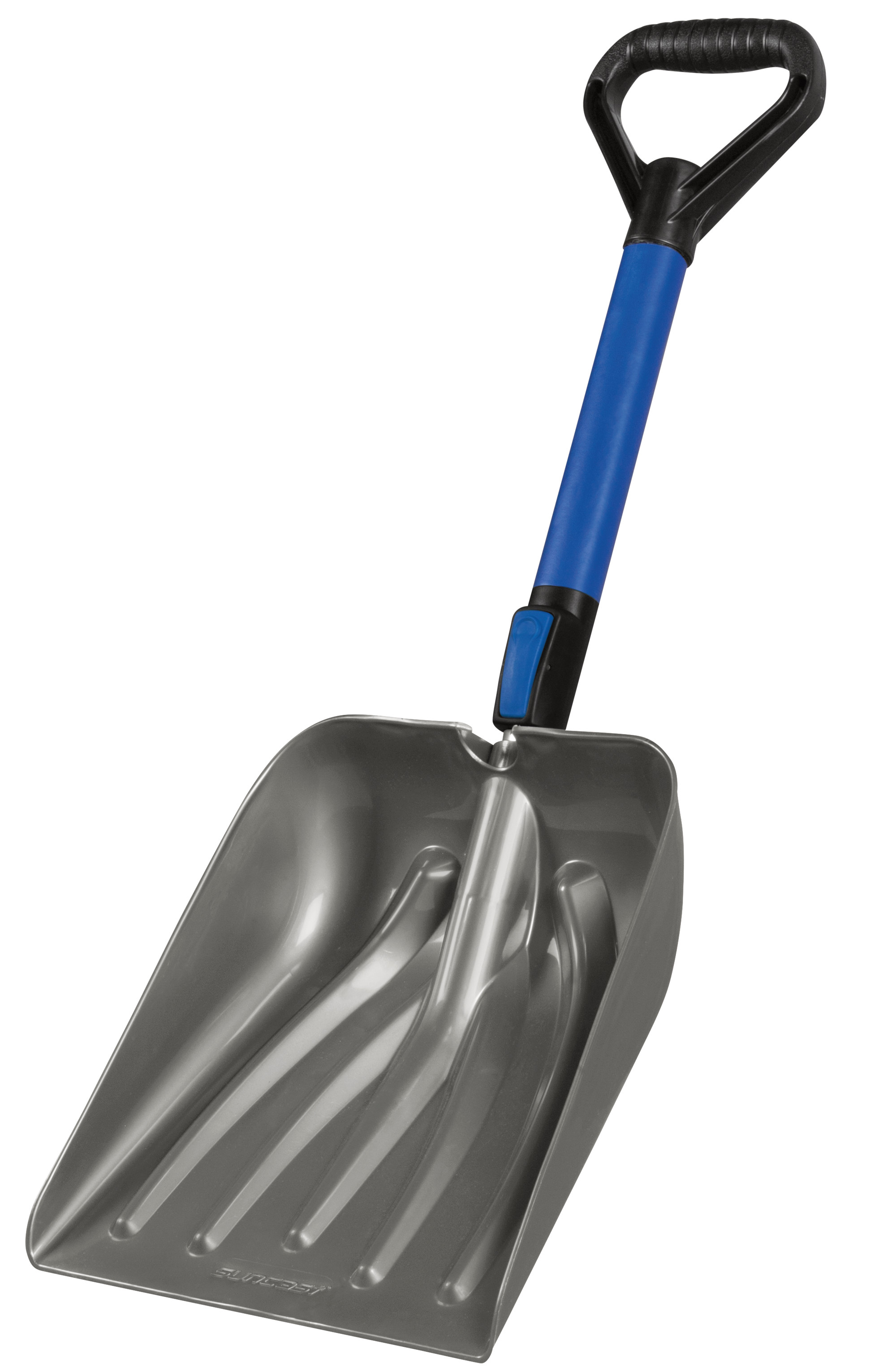
Compact ergonomic shovels are great for quick jobs and tight spaces. These include folding or telescoping models that fit easily in a car trunk, making them perfect for winter emergencies or clearing off porches and decks.
There are also specialty snow tools like roof rakes that let you clear snow without climbing or straining your back.
Proper Technique: Shoveling Smarter, Not Harder
Even with the best ergonomic snow shovels, how you shovel matters. Using the proper technique can lower your chances of injury and make the job easier. A few smart habits go a long way in winter.
The Core Principles of Safe Lifting and Pushing
Begin by pushing snow wherever you can. It’s easier on your back and reduces the need to lift heavy piles.
When lifting is necessary:
- Bend your knees, not your back.
- Keep your spine straight and your shoulders square.
- Hold the shovel close to your body, and don’t reach or lean forward.
- Avoid twisting. Step and turn your feet to move snow to the side.
Shoveling is hard work. Take regular breaks, especially during heavy storms, and drink water. It’s more physical than it looks.
Essential Pre-Shoveling Warm-Ups and Post-Shoveling Stretches
Warming up before shoveling gets your muscles ready. Spend about five minutes doing:
- Arm circles
- Gentle torso twists
- Marching in place to raise your heart rate
When you’re done, take time to cool down:
- Try knee-to-chest stretches
- Do gentle back twists while lying down
- Focus on relaxing your hip flexors and lower back
Also, avoid shoveling first thing in the morning. Your spine needs time to loosen up after sleep.